
Table of Contents
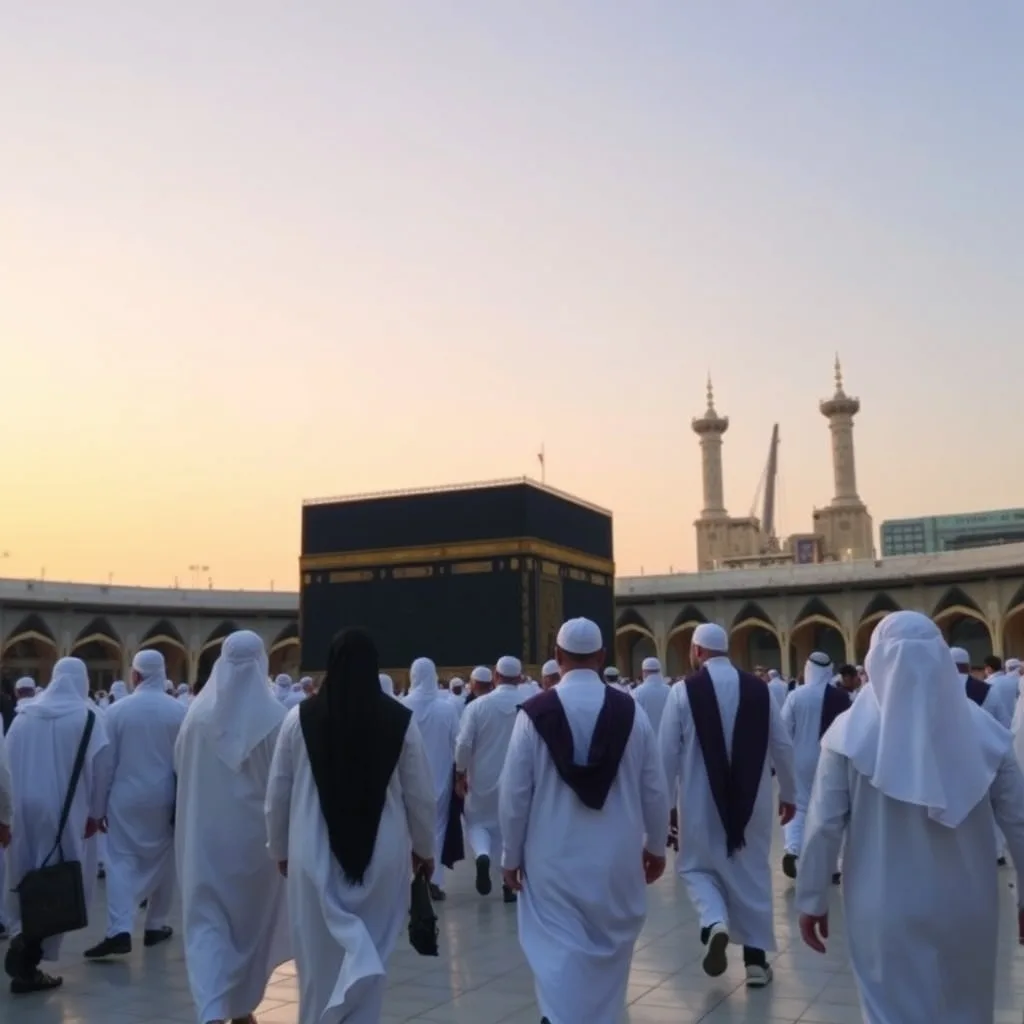
Travel umroh is the journey to perform Umrah, the minor pilgrimage to Mecca that Muslims can undertake any time of year. Its rituals include ihram, tawaf, and sa’i.
The Umrah pilgrimage draws millions of Muslims each year who seek spiritual renewal and connection. While Umrah can be performed at any time, unlike Hajj, proper preparation ensures you can focus on worship rather than logistics. A well-organized journey allows you to immerse yourself in the sacred rituals without stress or confusion.
Travel Umroh Planning Basics
Every pilgrim needs valid travel documents before embarking on their spiritual journey. Your passport must be valid for at least six months beyond your planned return date. The Umrah visa is specifically designed for pilgrimage purposes and requires an invitation from a licensed Saudi travel operator. Start your document preparation at least two months before your intended departure to avoid last-minute complications.
Timing and budget are equally crucial when you plan travel umroh effectively. The cooler months between October and March offer more comfortable weather for performing tawaf and sa’i, though prices tend to be higher during Ramadan. Your budget should cover flights, accommodation, meals, local transportation, and a contingency fund for unexpected expenses. Most pilgrims find that booking travel umroh arrangements three to four months in advance provides the best balance between availability and cost.
| Item | What to prepare | Tip |
|---|---|---|
| Passport and visa | Valid documents | Apply early |
| Flights | Flexible dates | Compare options |
| Hotels | Near Haram | Book ahead |
| Health | Vaccines, insurance | Carry records |
Choosing the Right Package
Working with a licensed and reputable operator protects you from potential problems during your pilgrimage. Licensed operators are authorized by Saudi authorities to process Umrah visas and provide compliant services. They understand current regulations, have established relationships with hotels near the Haram, and can handle emergencies if they arise. Always verify that any travel umroh provider you consider holds proper licensing and has verifiable reviews from past pilgrims.
Understanding what’s included in your package prevents unpleasant surprises after arrival. A comprehensive travel umroh package typically covers visa processing, round-trip flights, hotel accommodation, ground transportation between Makkah and Madinah, and guided assistance for performing rituals. Watch for red flags such as unusually low prices that seem too good to be true, vague terms about hotel locations, hidden fees not disclosed upfront, or operators who pressure you to decide immediately. Quality packages provide clear written agreements detailing every service and cost.
Who Should Join a Guided Group
Certain pilgrims benefit significantly from traveling with an organized group rather than making independent arrangements. Group travel umroh packages offer structure, companionship, and expert guidance that can enhance the experience.
- First-timers: Those performing Umrah for the first time gain confidence from having knowledgeable guides who explain each ritual step and ensure nothing is missed during tawaf, sa’i, and other practices.
- Elderly pilgrims: Older travelers appreciate the arranged transportation, wheelchair assistance when needed, and group leaders who monitor everyone’s wellbeing throughout the journey.
- Families: Parents traveling with children find that group coordinators help manage logistics while they focus on creating meaningful spiritual memories with their family members.
Travel Umroh Costs and Budgeting
Planning your travel umroh budget requires careful consideration of several key expenses that will make up the bulk of your pilgrimage costs. Accommodation near the Haram in Makkah and Madinah represents one of the largest portions of your budget, with proximity to the holy sites typically commanding premium rates. Round-trip airfare, visa fees, and ground transportation between cities and to ritual sites also constitute significant expenses. Understanding these core cost components helps you create a realistic financial plan for your spiritual journey.
Setting aside funds well in advance of your departure allows you to avoid financial stress and focus on the spiritual aspects of your pilgrimage. Many pilgrims establish dedicated savings accounts or set monthly savings goals to accumulate the necessary funds gradually. It’s wise to include a contingency buffer of additional funds for unexpected expenses, medical needs, or extended stays. Creating a detailed spreadsheet of anticipated costs helps you track your savings progress and identify areas where you might adjust your plans.
Choosing to travel umroh during off-peak seasons can significantly reduce your overall expenses while still providing a deeply meaningful experience. Shoulder months outside of Ramadan and Hajj periods typically offer more competitive rates for both flights and hotels. Booking your arrangements well in advance often secures better rates than last-minute planning. Group packages can sometimes provide cost advantages through economies of scale, though independent travelers may find flexibility benefits worth any additional expense.
Umrah Visa Options and Documents
Most international pilgrims now apply through the official Nusuk platform, which issues an e-visa linked to an approved operator. Requirements usually include a passport valid for at least six months, a recent photo, proof of vaccination where required, and travel insurance. Rules change by nationality, so confirm the current list before paying for flights.
A visa is tied to the operator and the dates on the permit. Changing your arrival window after approval can void it, so book flights only after the visa window is confirmed. Keep digital and printed copies of the permit, passport and insurance in separate bags.
A Realistic 7-Day Umrah Itinerary
| Day | Focus | Practical note |
|---|---|---|
| 1 | Arrival and transfer | Rest, hydrate and confirm the group meeting point |
| 2 | Madinah: Nabawi prayers | Book the rawdah slot early and carry your passport |
| 3 | Travel to Makkah and check in | Choose an off-peak tawaf window if you are tired |
| 4 | Umrah rites | Tawaf, sa’i and trimming with a guide or clear checklist |
| 5 | Rest and Haram prayers | Keep one slow day; heat and crowds drain energy |
| 6 | Optional city visit | Only if the group has a licensed transport provider |
| 7 | Buffer and departure | Pack the night before and keep documents on you |
Build one rest block after arrival and one buffer day before departure. Group leaders should publish meeting points and a contact number before departure; families with children or older pilgrims need slower pacing and a planned wheelchair option.
How to Compare Umrah Packages
| Package type | Typically included | Best for |
|---|---|---|
| Budget group | Shared rooms, bus transfers, basic meals | Flexible couples travelling on a tight budget |
| Standard | Three to four-star hotel near the Haram, guided rites | First-time pilgrims who want structure |
| Premium | Walking distance, private transfers, scholar guide | Older pilgrims and shorter trips |
| Custom family | Apartment, private van, flexible dates | Families with children or medical needs |
Ask for the hotel name and walking distance, not just the star rating. Check whether meals are buffet or set, confirm the group size and the guide’s language, and get the cancellation policy in writing. A transparent operator will answer these questions before you pay a deposit.
Last reviewed: 7 November 2026 by the Umroh Tour Travel editorial team.
Health and Safety Tips
Preparing your health before embarking on your pilgrimage ensures you can fully participate in all rituals without preventable illness disrupting your journey. Consult your healthcare provider several weeks before departure to ensure routine vaccinations are current and to receive any required immunizations. Many countries require proof of meningitis vaccination for Umrah visa processing. Packing a basic medical kit with any prescription medications, pain relievers, antidiarrheal medicine, and first aid supplies provides peace of mind.
Maintaining awareness of your surroundings during Tawaf and Sa’i helps prevent injuries in crowded conditions where millions of pilgrims gather. The ritual spaces can become extremely congested, particularly during peak times, requiring patience and careful movement. When you travel umroh, staying with your group or maintaining communication with companions ensures no one becomes separated in the crowds. Wearing comfortable, supportive footwear prevents blisters and foot fatigue during the extensive walking required throughout your pilgrimage.
Staying properly hydrated in the desert climate is essential for maintaining your energy and health throughout your journey. The combination of physical exertion, heat, and spiritual devotion can quickly lead to dehydration if you’re not drinking water regularly. Carrying a refillable water bottle and taking frequent water breaks, especially during outdoor rituals, protects against heat exhaustion. Wearing sun protection including hats, sunglasses, and sunscreen shields you from the intense sun while moving between holy sites and during outdoor prayers.
Verdict
Successful travel umroh begins with thorough preparation months before departure. Research your options carefully, choose licensed operators with transparent pricing, and don’t hesitate to ask detailed questions about every aspect of your journey. Whether you select an independent arrangement or join a guided group, prioritize services that allow you to concentrate on worship rather than worry about logistics. The spiritual rewards of a well-planned Umrah journey will stay with you long after you return home.
What documents are needed for Umrah travel?
A valid passport and an Umrah visa arranged through a licensed operator are essential. Health records and insurance documents should travel with you. Start preparations at least two months ahead.
When is the best time to perform Umrah?
Umrah can be performed any time of year except during Hajj season. Cooler months offer more comfort for outdoor rituals. Off-peak periods usually mean smaller crowds.
Should first-timers join a guided group?
Guided groups help newcomers complete every ritual correctly and handle logistics. Elderly pilgrims and families benefit most from structured support. Independent travel suits experienced visitors.
Related guides

Driven by my passion as a Muslim who loves religious destinations, I document personal spiritual journeys to learn what travelers truly seek: devotion, comfort, and lasting memories. This vision shapes end-to-end pilgrim support. I have documented 784 travel guides here since 2022.




More Stories
Umrah Dua Guide: What to Say at Each Stage
Umrah Transport Guide: Getting Between the Holy Cities
Umrah Airport Guide: From Landing to Your Hotel