
Table of Contents
What is umroh? It is the Islamic minor pilgrimage to Mecca that Muslims can perform at any time of year. Unlike Hajj, which happens once a year on fixed dates, what is umroh comes down to a shorter set of rites — entering ihram, tawaf around the Kaaba, sa’i between Safa and Marwah, and tahallul — that most pilgrims complete in a few hours.
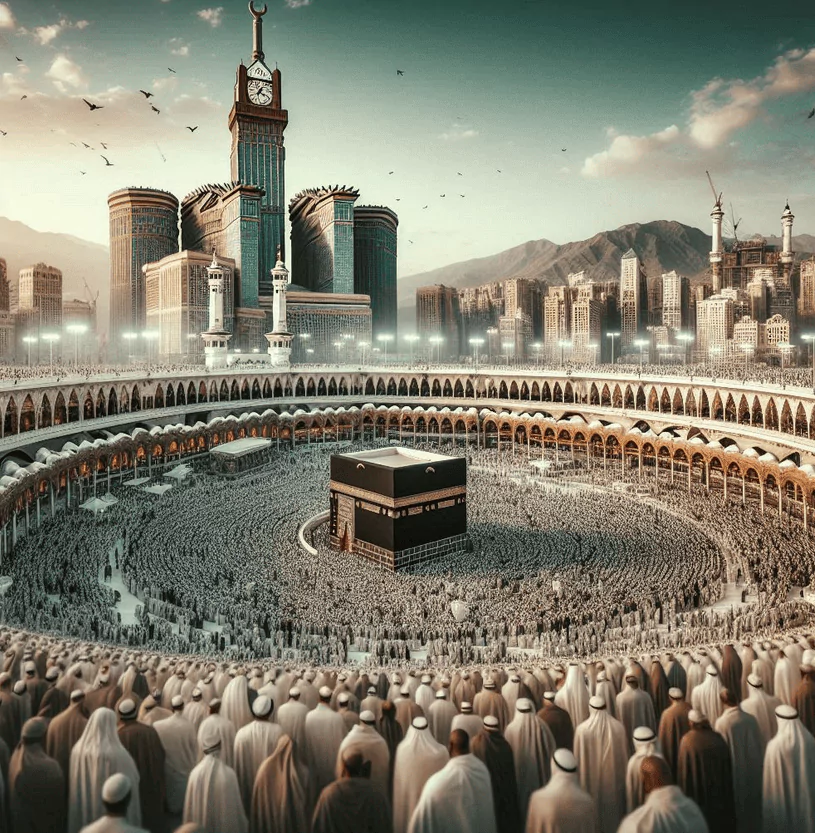
What Is Umroh and How Does It Differ From Hajj?
The difference is timing and obligation. Hajj is one of the five pillars, obligatory once in a lifetime for those who are able, and valid only during Dhu al-Hijjah. What is umroh, by contrast, is voluntary and flexible — a spiritual journey you can undertake whenever borders, visas and means allow. Many first-timers choose umroh to learn the rites before attempting Hajj.
What Is Umroh Like Step by Step?
The core sequence is compact. After the intention (niyyah) and entering ihram, pilgrims perform tawaf — seven circuits around the Kaaba — then pray behind Maqam Ibrahim. Next comes sa’i, seven walks between the hills of Safa and Marwah, ending with tahallul, the trimming or shaving of hair. Guides and group leaders walk first-timers through each step so nothing is missed.
When to Perform Umroh
Because the rites take hours rather than days, timing revolves around crowds, weather and cost. Ramadan brings unmatched atmosphere but dense crowds; the cooler months from November to February suit elderly pilgrims. Shoulder seasons balance price and comfort — see the best time for umrah travel breakdown before booking flights.
What to Prepare Before You Go
Preparation splits into documents and devotion. Documents mean a valid passport, an umroh visa through an authorized agent, vaccinations and bookings. Devotion means learning the rites, memorizing key supplications and understanding the meaning behind the Kaaba so every circuit carries weight. For the wider journey, read our Muslim and Islamic travel insights. Background on the fifth pillar’s rites at Umrah on Wikipedia helps first-timers further.
Common Questions From First Pilgrims
First-timers ask the same handful of questions: how long it takes, what it costs, whether women may travel in groups, and what to pack. Costs vary by country and season, typically spanning budget group packages to private VIP trips. Honest agents itemize flights, hotels, transport and fees separately — demand that breakdown before paying anything. Pilgrims who grasp what is umroh before departure consistently report calmer, more focused journeys.
Costs and Packages Explained
What is umroh financially? Packages bundle flights, hotels near the Haram, ground transport, visa handling and guidance. Budget group departures share buses and distant hotels; mid-range options move you closer with smaller groups; private trips customize everything. Always compare what is excluded — meals, laundry, extra nights and tips add up. The cheapest quote with vague inclusions usually costs more in the end.
Health and Safety Basics
Confirm required vaccinations with your agent months ahead and carry prescriptions in original packaging. Mecca involves long walks on marble, so broken-in footwear matters more than new outfits. Heat demands water, shade breaks and realistic pacing, especially for elderly pilgrims. Keep copies of passports, hotel cards and emergency contacts both on paper and on your phone.
Umroh or Hajj First?
Newcomers often ask whether to attempt Hajj directly. Scholars generally advise learning through umroh first: the shorter rites teach ihram discipline, crowd navigation and supplication rhythm without Hajj-season pressure. What is umroh if not a rehearsal in devotion? Treat it as training — master the small pilgrimage, then face the great one with confidence and familiar rituals.
Packing Checklist for First-Timers
Pack light but complete: ihram garments plus one spare, unscented toiletries, a waist pouch for documents and money, prayer mat, refillable bottle, basic medicines and comfortable sandals. Label every bag inside and out, photograph luggage before check-in, and keep one full change of clothes in hand baggage. A small notebook for reflections and contacts proves invaluable when phones run dry.
Money matters deserve the same care as worship. Agree daily allowances with travel companions, carry a mix of cash and cards, and note the location of ATMs near your hotel on day one. Save all receipts for package extras so final accounting with your agent stays painless.
Visa paperwork deserves early attention. Umroh visas flow through licensed agents who bundle approvals with packages, and requirements shift by country and season. Start the file at least three months out: passport validity, photographs to specification, vaccination cards and confirmed bookings. Double-check that the name on every document matches the passport letter for letter — small mismatches cause the longest delays.
Crowd safety is a skill, not luck. Fix a meeting point with your group before entering the Haram, agree on time buffers between prayers, and keep children and elderly companions within sight at all times. If separated, stay calm, head to the agreed point and call rather than wander. Night hours around the mosque offer thinner crowds for relaxed tawaf.
Electronics need a plan too. Bring universal adapters, a power bank and offline copies of hotel addresses, agent numbers and prayer schedules. Hotel Wi-Fi strains under group loads, so a local SIM often beats roaming for maps and messaging. Photograph every document and ticket as backup.
Many itineraries add Medina for several nights: the Prophet’s Mosque, Quba and Uhud reward slow visits between prayers. Rest there deliberately — fatigue collected in Mecca compounds, and a calm Medina stay sends pilgrims home restored rather than drained. Book the return flight with a full free day beforehand.
| Need | Focus | Why |
| First trip | Rituals order | Valid worship |
| Logistics | Visa + hotel | Smooth travel |
| Prep | Health + packing | Stay fit |
Verdict: Learn Rituals, Then Book Smart
Understand the pillars and obligations first, then choose a transparent package with clear hotel and visa terms.
What is umroh in simple terms?
What is umroh? It is a voluntary Islamic pilgrimage to Mecca involving tawaf, sa’i and tahallul. Most pilgrims complete the rites in a few hours.
How is umroh different from Hajj?
Hajj is obligatory and valid only during Dhu al-Hijjah, while umroh is voluntary and can be performed any time of year.
How long should first-timers plan for?
Plan seven to ten days including travel, rest and Medina. The rites themselves take hours; the journey deserves unhurried days.

Driven by my passion as a Muslim who loves religious destinations, I document personal spiritual journeys to learn what travelers truly seek: devotion, comfort, and lasting memories. This vision shapes end-to-end pilgrim support. I have documented 2,312 travel guides here since 2022.
More Stories
islamic cultural diffusion ultimate guide 5 pathways
American Society of Muslims: Complete Historical Guide
5 Reasons Why muslim a religion Matters for Travelers