
Table of Contents
Muslim a religion — many travelers ask what that means for visiting Muslim-majority countries. Understanding the faith shapes respectful itineraries from day one.
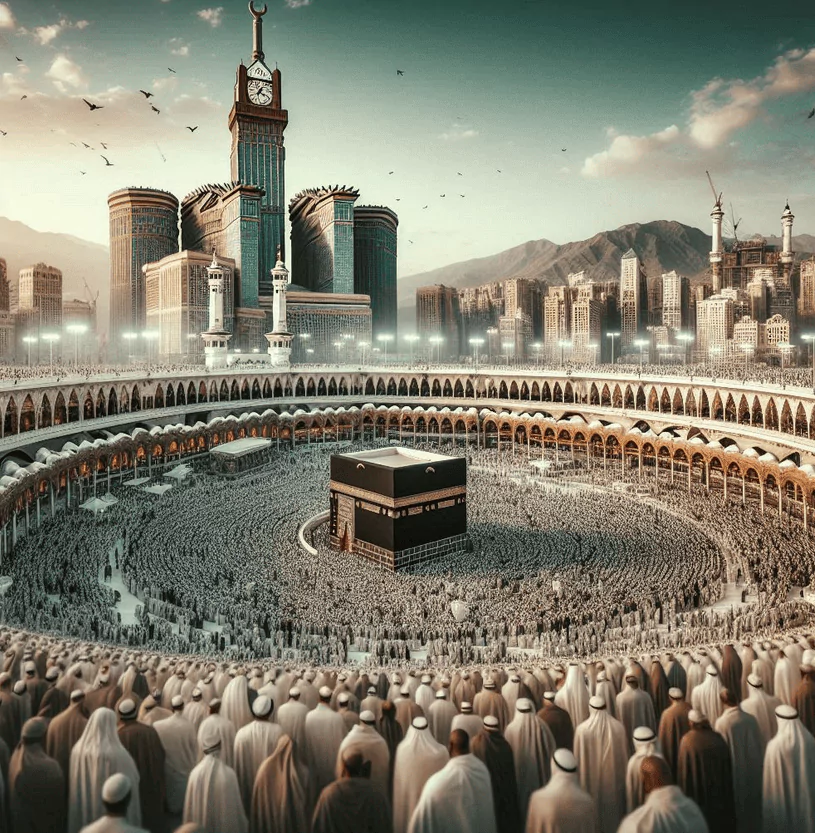
Understanding muslim a religion as a Faith and Culture
The teachings of muslim a religion center on belief in one God, the prophethood of Muhammad, and the guidance of the Quran. These beliefs shape daily routines, community life, and personal ethics for followers worldwide. Recognizing this foundation helps travelers appreciate the values behind local customs.
Islam encompasses a variety of cultures, languages, and traditions across continents. From the bustling markets of Jakarta to the quiet villages of Senegal, expressions of faith differ while sharing core principles. This diversity influences cuisine, architecture, and social interactions that travelers encounter.
Over fourteen centuries, Islam spread through trade routes, scholarship, and migration. Early centers included Mecca, Medina, Damascus, and Córdoba. Each region contributed unique interpretations that still resonate in modern practices.
In the United States, millions identify with the faith, contributing to a rich variety of mosques, cultural festivals, and interfaith dialogue. Cities such as New York, Los Angeles, and Chicago host vibrant communities that welcome visitors interested in learning.
When visiting a destination where the faith is prevalent, awareness of prayer schedules, dietary rules, and dress expectations can prevent unintentional offense. Simple gestures like greeting with “As‑salamu alaykum” often open doors to warm hospitality.
How muslim a religion Shapes Travel Etiquette
Understanding how muslim a religion influences etiquette guides behavior in sacred spaces. Visitors are expected to remove shoes before entering mosques, dress modestly, and avoid disruptive behavior during prayer times. These practices demonstrate respect and foster positive exchanges.
Modest clothing typically means covering shoulders and knees for both men and women. In many regions, women may also choose to wear a headscarf as a sign of respect, though it is not always required for tourists. Observing local norms shows cultural sensitivity.
The call to prayer, known as the adhan, occurs five times daily. Travelers can plan activities around these moments, especially in cities where the adhan echoes loudly. Many hotels provide prayer mats and Qibla direction signs for guests.
Halal dietary guidelines prohibit pork and alcohol, while encouraging humane slaughter of meat. Restaurants often display halal certification, making it easy for visitors to find suitable meals. During Ramadan, fasting from dawn to dusk affects restaurant hours.
During the holy month of Ramadan, Muslims fast from sunrise to sunset. Non‑muslim visitors are not expected to fast, but eating, drinking, or smoking in public during daylight hours may be frowned upon. Many establishments offer special iftar meals after sunset.
Gender interactions may follow conservative norms in some areas. It is advisable to wait for a local to initiate a handshake or greeting, especially between men and women. Respecting personal space and using polite language builds trust.
Carrying a basic phrasebook that includes greetings in Arabic can enhance interactions when muslim a religion is the dominant faith. Simple words like “Shukran” for thank you or “Afwan” for you’re welcome are appreciated. This small effort signals genuine interest in the local culture.
- Research the specific customs of the country or region you plan to visit.
- Pack clothing that covers shoulders and knees for visits to religious sites.
- Learn the local prayer schedule to avoid disrupting worship.
- Seek halal dining options or vegetarian meals if unsure about meat preparation.
- During Ramadan, be mindful of public eating and drinking during fasting hours.
- Ask permission before photographing people, especially near mosques.
- Offer a respectful greeting in the local language when entering a shop or home.
| Destination | Primary Language | Approx. Muslim Population | Key Cultural Tip |
|---|---|---|---|
| Saudi Arabia | Arabic | ~93% | Visit mosques only during non‑prayer times unless invited. |
| United Arab Emirates | Arabic | ~76% | Dress conservatively in public areas; swimwear allowed at beaches and pools. |
| Malaysia | Malay | ~61% | Remove shoes before entering homes and mosques. |
| Morocco | Arabic, Berber | ~99% | Accept offers of mint tea as a sign of hospitality. |
| Indonesia | Indonesian | ~87% | Use the right hand for giving and receiving items. |
Health and safety preparations are equally important when traveling to any region. Ensure routine vaccinations are up to date, carry a basic first‑aid kit, and stay hydrated in hot climates. Respect local laws regarding photography, especially near government buildings.
Recognizing muslim a religion as a living faith equips travelers with the insight needed for respectful and rewarding journeys. Keep this understanding handy, and every trip becomes a bridge between cultures. Safe travels.
Daily Life and the Traveler
Prayer times structure the day in Muslim-majority cities: shops pause, streets quieten and landmarks fill. Plan sightseeing around the five prayers rather than against them. Friday midday brings the congregational prayer — expect closures from late morning. Modest dress opens doors everywhere; carry a scarf and check mosque visiting hours before arriving.
Etiquette Tips That Prevent Mistakes
Ask before photographing people, remove shoes where required, and use the right hand for giving and receiving. During Ramadan, avoid eating publicly in daylight hours. Learn a short greeting in the local language — effort earns warmth that guidebooks cannot buy.
Bring the basics home: muslim a religion lived daily, not just studied. Ground pilgrimage plans in what is umroh and terminology in Islamic and Muslim differences. Reference Islam on Wikipedia for deeper reading.
Food rules deserve a note too: halal standards govern meat, alcohol is restricted in many places, and Ramadan evenings bring festive night markets worth planning around. Ask hosts about local customs around greetings between genders — norms differ widely, and a brief question beforehand avoids awkward moments for everyone involved. Small courtesies compound into unforgettable hospitality.
Is muslim a religion travelers should study before visiting?
Yes. Muslim a religion shapes laws, customs and daily rhythms across many destinations. Basic knowledge prevents mistakes and opens warmer welcomes.
What should visitors wear?
Dress modestly: cover shoulders and knees, carry a scarf for mosques. Check local norms since expectations vary by country.
How do prayer times affect sightseeing?
Sites may close briefly around prayers, especially Friday midday. Build buffer time into every day plan.
Driven by my passion as a Muslim who loves religious destinations, I document personal spiritual journeys to learn what travelers truly seek: devotion, comfort, and lasting memories. This vision shapes end-to-end pilgrim support. I have documented 2,312 travel guides here since 2022.
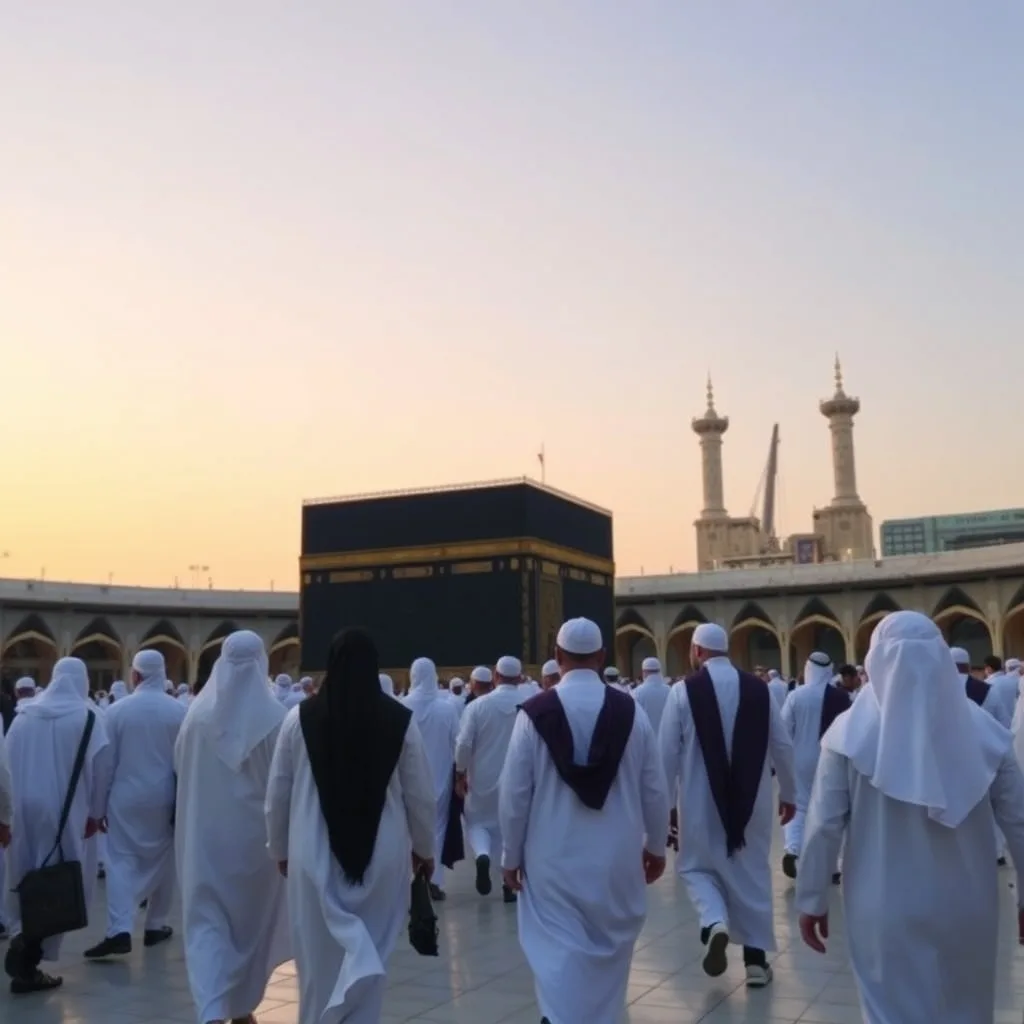
More Stories
What Is Umroh? A Complete Guide for First Pilgrims
Brittany React: 7 Authentic Visitor Insights
Muslim and Islamic Travel: 7 Essential Insights