
Table of Contents
An umrah transport guide is mostly about choosing the right vehicle for each leg, not about finding the cheapest fare. Pilgrims usually need three transfers: airport to hotel, Makkah to Madinah, and daily movement around the Haram. Each leg has different trade-offs for time, luggage and family needs.
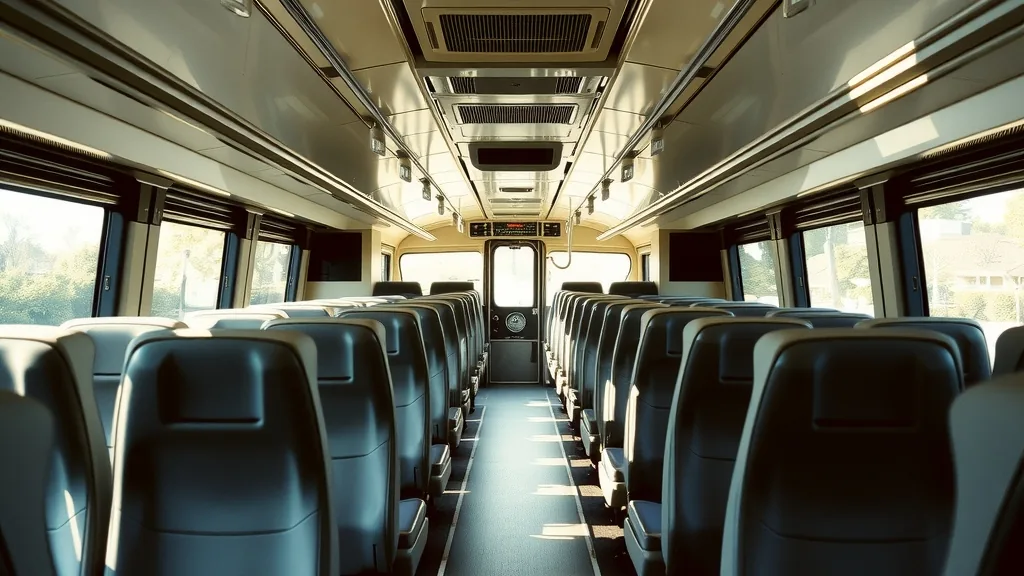
Compare the main options
There is no single best mode of transport for every pilgrim. A solo traveller with one bag can move quickly by train, while a family with four suitcases and an older parent may value a private van that stops at the hotel door. Use the table as a starting point, then confirm current schedules and fares with the operator.
| Leg | Options | Best for |
|---|---|---|
| Jeddah airport to Makkah | Licensed taxi, pre-booked private van, group coach, Haramain train | Private van for families; train for light luggage |
| Jeddah airport to Madinah | Haramain train via the airport station, private van, group coach | Train for speed; van for door-to-door service |
| Makkah to Madinah | Haramain high-speed train, group coach, private van | Train for a short ride; coach for tight budgets |
| Around Makkah | Walking, hotel shuttle, public buses, ride-hailing apps | Walking inside the central area; shuttle for outer hotels |
| Around Madinah | Walking, taxi, ride-hailing apps, hotel shuttle | Walking near the mosque; taxi for longer trips |
How to use this umrah transport guide
Book the long legs before you fly and leave local rides flexible. Airport transfers and Makkah-to-Madinah seats are the two bookings most likely to sell out around Ramadan, school holidays and the Hajj season. Local taxis and shuttles are easier to arrange on the day.
Airport transfers
No umrah transport guide can promise a fixed fare, but a pre-booked transfer removes the negotiation that follows a long flight. Share your flight number, hotel name and passenger count with the operator, and ask where the driver will wait. At Jeddah, the arrival hall is large and meeting points differ by terminal, so a written meeting instruction is more useful than a phone call.
If you choose a taxi rank, confirm that the meter is running or agree the total before departure. Keep the receipt and note the plate number. For groups, compare the total van price rather than the per-person quote, because luggage space often limits how many passengers can travel together.
Makkah to Madinah by train or road
The Haramain high-speed railway links Makkah, Jeddah and Madinah in a few hours and is the most predictable option in heavy traffic. Book a seat in advance, arrive early enough for security and luggage checks, and keep your ticket on your phone and on paper. Large suitcases may be restricted, so read the baggage rule before choosing the train.
A group coach is slower but usually includes hotel pickup and a rest stop. Private vans offer the most flexibility for families and pilgrims with limited mobility, though the driver may need a longer break on the road. Whichever you choose, avoid same-day connections before a flight.
Getting around the Haram areas
Inside the central zones, walking is often faster than driving. Many hotels run free shuttles to a drop-off point near the mosque, and public buses serve the wider city. Ride-hailing apps work in both cities, but pickup points can be confusing during peak prayer times, so walk to a recognised landmark before ordering.
Allow extra time for Friday prayers, Ramadan nights and the final ten days of the month. Roads close, crowds swell, and a ten-minute ride can become forty. Plan to arrive early rather than relying on a driver to find a shortcut.
Booking, luggage and accessibility
- Confirm the vehicle size against your suitcase count, not just the passenger count.
- Ask whether the fare includes tolls, parking and waiting time.
- Request a child seat in advance if you need one; do not assume it is available.
- For wheelchair users, confirm that the vehicle has space and a ramp or lifting plan.
- Save a copy of this umrah transport guide and the operator’s number offline.
Key takeaways
- Use this umrah transport guide to book airport and intercity legs early; keep local rides flexible.
- Compare total vehicle cost and luggage space, not only the headline fare.
- Build a buffer around prayer times, Ramadan and flight departures.
Sources and further reading
Related guides
- Travel umroh guide for a calm pilgrimage
- Umrah airport guide for arrivals
- Best time for Umrah travel
Is it better to take the train or a car from Jeddah to Makkah?
The train is faster and more predictable when traffic is heavy, but it requires a station transfer and has luggage rules. A car or van offers door-to-door convenience, especially for families and older travellers. Compare total time, baggage and cost before deciding, and book ahead during peak seasons.
How much luggage can I bring on the Haramain train?
Baggage allowances depend on the ticket class and the operator’s current policy, so check before booking. Large suitcases may need to be checked or may not be accepted at busy times. Pack a small overnight bag for the train and keep documents and medication with you at all times.
Are ride-hailing apps available in Makkah and Madinah?
Ride-hailing apps operate in both cities, but pickup points can be crowded or restricted near the central mosque areas. Walk to a clear landmark before ordering and allow extra time around prayer hours. Licensed taxis remain a practical fallback when app demand spikes.

Driven by my passion as a Muslim who loves religious destinations, I document personal spiritual journeys to learn what travelers truly seek: devotion, comfort, and lasting memories. This vision shapes end-to-end pilgrim support. I have documented 2,312 travel guides here since 2022.


More Stories
Umrah Dua Guide: What to Say at Each Stage
Umrah Airport Guide: From Landing to Your Hotel
Islam in English: Complete Guide for Beginners