
Table of Contents
The american society of muslims represents a pivotal chapter in the development of Islamic communities across the United States. Founded as an evolution from earlier movements, this organization reshaped how African American Muslims practiced their faith and engaged with broader American society. Understanding its origins, leadership, and lasting influence provides essential insight into the diverse landscape of American Islam.
Origins and Historical Foundation of the American Society of Muslims
The organization emerged from the transformation of the Nation of Islam under the leadership of Imam Warith Deen Mohammed. After assuming leadership in 1975, Mohammed initiated sweeping reforms to align the community’s teachings with mainstream Sunni Islamic practices. This transition marked a departure from the heterodox beliefs of his predecessor and represented a significant theological shift.
Mohammed renamed the organization multiple times throughout its evolution. The community transitioned from the World Community of Al-Islam in the West to the American Muslim Mission before ultimately becoming known as the american society of muslims. Each name change reflected deeper doctrinal refinements and a clearer articulation of the group’s identity within global Islamic traditions.
According to Islamic studies scholars at institutions like Harvard’s Center for Middle Eastern Studies, this transformation represented one of the most significant religious conversions in American history. The movement brought hundreds of thousands of African American Muslims into alignment with orthodox Islamic practices observed by Muslims worldwide.
Leadership Philosophy and Organizational Structure
Imam W.D. Mohammed’s leadership distinguished itself through systematic education and gradual reform. Rather than imposing sudden changes, he methodically guided his community through theological corrections while respecting their journey. This approach earned him recognition from Muslim scholars internationally and positioned the american society of muslims as a bridge between African American heritage and global Islamic unity.
Core Theological Reforms Under Imam W.D. Mohammed
The reforms touched every aspect of religious practice. Mohammed introduced the five pillars of Islam as the foundation of faith, replacing previous teachings that diverged from mainstream Islamic doctrine. He emphasized the prophethood of Muhammad as the final messenger, abandoning earlier claims about the divinity of the movement’s founder.
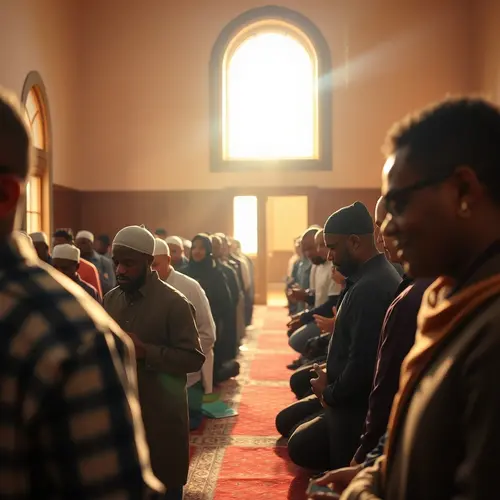
Prayer practices shifted to align with Sunni traditions. The american society of muslims adopted the standard five daily prayers facing Mecca, Quranic recitation in Arabic, and Friday congregational worship. These changes required extensive re-education efforts within the community but created pathways for members to connect with Muslims globally.
Dietary laws also underwent revision. While previous practices included specific prohibitions, Mohammed taught standard Islamic halal guidelines that Muslims worldwide observe. This standardization facilitated integration with immigrant Muslim communities and international Islamic institutions.
Organizational Mission and Community Impact
The american society of muslims prioritized self-sufficiency and economic empowerment alongside spiritual development. Mosques established by the community often included businesses, schools, and social service programs. This holistic approach addressed both material and spiritual needs within African American neighborhoods facing economic challenges.
| Area of Focus | Implementation Strategy | Community Benefit |
|---|---|---|
| Education | Islamic schools teaching Arabic and Quran alongside standard curriculum | Literacy improvement and religious knowledge |
| Economic Development | Member-owned businesses and cooperative enterprises | Job creation and wealth building |
| Social Services | Food programs, addiction counseling, and family support | Community stability and health |
| Interfaith Relations | Dialogue with Christian churches and Jewish synagogues | Reduced discrimination and improved understanding |
Debunking Common Misconceptions About the Organization
A persistent myth suggests the american society of muslims maintained separatist ideology similar to its predecessor organization. This represents a fundamental misunderstanding of Imam Mohammed’s vision. He actively encouraged civic participation, voting, and engagement with American institutions while maintaining Islamic identity.
Another misconception conflates the organization with other movements that retained heterodox beliefs. The theological transformation under Mohammed’s leadership was comprehensive and genuine. Recognition from institutions like Al-Azhar University in Egypt and the Muslim World League confirmed the community’s orthodox standing.
Educational Initiatives and Scholarly Contributions
The organization invested heavily in Islamic education. Mohammed encouraged members to study Arabic, understand Quranic exegesis, and engage with classical Islamic scholarship. This emphasis on knowledge created a generation of African American Islamic scholars who contributed to American Muslim discourse.
Publications produced by the community included newspapers, magazines, and educational materials that made Islamic concepts accessible to English-speaking audiences. These resources served both members and the broader American Muslim population seeking materials relevant to their context.
Universities and research institutions studying American religious history often cite the transformation of the american society of muslims as a case study in religious reform and adaptation. The peaceful nature of this transition, accomplished without schism or violence, offers lessons for understanding religious change in diverse societies.
Legacy and Continuing Influence
After Imam Mohammed’s passing, he left behind a decentralized network of mosques and communities rather than a hierarchical organization. This reflected his belief that Muslims should function as independent congregations united by faith rather than institutional loyalty. The mosques he established continue serving communities across the United States.
His teachings influenced how African American Muslims understood their dual identity as both Americans and Muslims. Rather than viewing these identities as contradictory, Mohammed articulated a vision where Islamic values complemented constitutional principles and civic responsibility.
The american society of muslims also pioneered interfaith dialogue in American contexts. Mohammed’s willingness to engage respectfully with Christians, Jews, and people of other faiths established precedents for Muslim participation in pluralistic American society. His model of engagement influenced subsequent generations of Muslim leaders.
Practical Considerations for Those Studying This History
Researchers examining this period should consult primary sources including transcripts of Imam Mohammed’s sermons, organizational newsletters, and academic studies from religious studies departments. Archives at institutions like the Schomburg Center for Research in Black Culture contain valuable documentation of this movement.
Understanding the american society of muslims requires contextualizing it within both African American history and global Islamic movements. The organization operated at the intersection of civil rights struggles, Black empowerment movements, and the worldwide Islamic revival of the late twentieth century.
- Examine how theological reforms impacted daily life for members beyond abstract doctrine
- Consider the economic dimension of community transformation and business development initiatives
- Analyze the role of women within the organization and how gender dynamics evolved
- Study the educational curriculum used in community schools to understand pedagogical approaches
- Review interfaith initiatives to grasp the organization’s relationship with broader American society
Comparative Analysis With Other American Muslim Organizations
The american society of muslims distinguished itself from immigrant-led Islamic organizations through its deep roots in African American experience. While sharing theological foundations with other Sunni Muslim groups, the community maintained distinctive cultural expressions in worship styles, sermon formats, and community organizing methods.
This cultural specificity did not imply theological deviation but rather demonstrated Islam’s adaptability across diverse cultural contexts. Scholars note that legitimate diversity in Islamic practice exists within the boundaries of core beliefs, and the American Muslim experience exemplifies this principle.
The organization’s emphasis on social justice and economic empowerment reflected African American liberation theology traditions while remaining grounded in Islamic principles of social responsibility. This synthesis created a unique American Islamic voice that influenced Muslim discourse nationally.
The american society of muslims stands as a testament to how religious communities adapt and evolve while maintaining core convictions. Its transformation from a heterodox movement to an orthodox Islamic community represents a remarkable chapter in American religious history. The organization’s focus on education, economic development, and civic engagement created pathways for African American Muslims to participate fully in both their religious tradition and American society. Understanding this history remains essential for anyone studying the diverse landscape of Islam in America or the broader narrative of African American religious experience.
Driven by my passion as a Muslim who loves religious destinations, I document personal spiritual journeys to learn what travelers truly seek: devotion, comfort, and lasting memories. This vision shapes end-to-end pilgrim support. I have documented 2,312 travel guides here since 2022.


More Stories
What Is Umroh? A Complete Guide for First Pilgrims
5 Reasons Why muslim a religion Matters for Travelers
Brittany React: 7 Authentic Visitor Insights