
Table of Contents
Muslim and islamic travel rewards preparation: understanding the culture is essential for travelers exploring the Middle East, Southeast Asia, North Africa and beyond. The distinction between these terms matters: “Muslim” refers to followers of Islam, while “Islamic” describes anything related to the religion itself—from architecture to dietary laws.
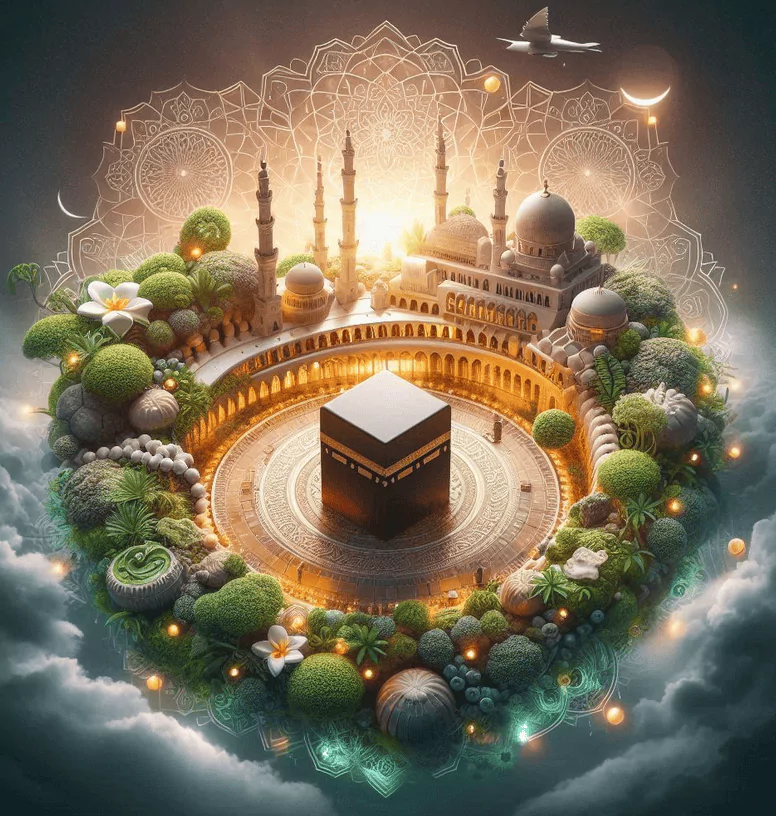
This guide provides practical knowledge for respectful, enriching travel experiences in Muslim-majority regions. Whether visiting historic mosques, navigating halal food requirements, or timing visits around religious observances, cultural awareness enhances every journey.
The Core Difference Between Muslim and Islamic
Muslims are people who practice Islam. Islamic refers to the religion, its principles, art, architecture, and cultural expressions. This distinction becomes practical when planning travel.
You visit Islamic heritage sites like the Alhambra or Blue Mosque. You interact with Muslim communities who maintain daily prayer schedules and dietary practices. Confusing these terms shows lack of cultural preparation.
According to Pew Research Center data, over 1.8 billion people identify as Muslim globally, representing roughly 24% of the world population. These communities span diverse cultures from Indonesia to Morocco, each blending Islamic principles with local traditions.
Practical Travel Considerations for Islamic Destinations
Dress codes vary significantly. Conservative Gulf states enforce stricter standards than Turkey or Malaysia. Women typically cover shoulders and knees at minimum; men avoid shorts in religious spaces.
Prayer times affect business hours. Shops close during Friday midday prayers. Museums and attractions adjust schedules during Ramadan. Smart travelers check prayer time apps and plan accordingly.
Understanding Muslim and Islamic Prayer Schedule Impact
Five daily prayers punctuate Muslim life: Fajr (dawn), Dhuhr (midday), Asr (afternoon), Maghrib (sunset), and Isha (night). These times shift based on sun position and location.
Restaurants in Muslim-majority areas may close briefly for prayers. Transportation services run on modified schedules during Friday prayers. This rhythm becomes second nature after a few days.
| Prayer Time | Approximate Timing | Travel Impact |
|---|---|---|
| Fajr | Pre-dawn | Early morning call to prayer audible in cities |
| Dhuhr | Just after noon | Shops may close 15-30 minutes |
| Asr | Mid-afternoon | Minimal disruption to tourist activities |
| Maghrib | Sunset | Ramadan iftar meals begin; restaurants crowded |
| Isha | Evening | Social activities peak after this prayer |
Halal Requirements and Food Culture
Halal extends beyond avoiding pork and alcohol. It encompasses slaughter methods, ingredient sourcing, and food preparation. Muslim travelers seek certified halal restaurants; non-Muslim visitors encounter halal as the default in many destinations.
Halal certification standards vary by country. Malaysia and Indonesia maintain rigorous systems. Middle Eastern nations often assume compliance without formal labeling. Reading menus carefully matters in mixed communities.
Alcohol availability differs drastically. Dubai offers licensed venues while Saudi Arabia prohibits it entirely. Iran, Pakistan, and Libya enforce strict bans. Research specific country regulations before arrival.
Navigating Ramadan as a Traveler
Ramadan, the Islamic holy month of fasting, transforms travel dynamics. Muslims abstain from food and drink from dawn until sunset. Many restaurants close during daylight hours or serve only non-Muslims discreetly.
Non-Muslim visitors should avoid eating, drinking, or smoking publicly during fasting hours out of respect. Hotels typically offer private dining for guests. Evening iftar meals create festive atmospheres worth experiencing.
Tourist sites maintain regular hours, but expect reduced energy levels and shorter workdays. Evening streets come alive after iftar with special markets and celebrations. Eid al-Fitr, marking Ramadan’s end, involves widespread closures.
Islamic Architectural Heritage for Travelers
Islamic architecture represents a major draw for cultural tourism. Distinctive features include geometric patterns, calligraphy, courtyards, and domes. Understanding these elements enriches site visits.
- Mosques serve as community centers beyond prayer spaces
- Madrasas (Islamic schools) showcase educational tradition
- Caravanserais provided historic trade route lodging
- Hammams (bathhouses) continue operating in many cities
- Palatial complexes blend Islamic design with regional influences
Non-Muslims can visit most mosques outside prayer times. Shoes must be removed. Women typically cover their hair with provided scarves. Photography rules vary; always ask permission.
Regional Variations in Muslim and Islamic Practices
Islam manifests differently across regions. Arab, Persian, Turkish, South Asian, and Southeast Asian Muslim cultures each maintain distinct traditions while sharing core beliefs.
Moroccan riads differ from Turkish hamams. Indonesian gamelan music accompanies Islamic celebrations unlike anything in Egypt. Persian miniature painting contrasts with Mughal architectural styles.
These variations matter for travelers. Expectations set by one Muslim-majority country don’t automatically apply elsewhere. Cultural research specific to your destination prevents missteps.
Common Misconceptions Debunked
Myth: All Muslims speak Arabic. Reality: Only about 20% of Muslims are Arab. Indonesia, Pakistan, Bangladesh, and India host massive Muslim populations speaking diverse languages.
Myth: Women in Muslim countries cannot travel independently. Reality: Countries like Turkey, Malaysia, Tunisia, and Jordan see significant female solo travel, both local and international.
Myth: Islamic destinations are unsafe for non-Muslims. Reality: Many Muslim-majority nations like Oman, UAE, and Malaysia rank among the world’s safest travel destinations according to Global Peace Index data.
Practical Tips for Muslim and Islamic Travel
Learn basic Arabic greetings even in non-Arab Muslim countries. “As-salamu alaykum” (peace be upon you) shows cultural awareness. The response is “Wa alaykumu as-salam.”
Right-hand usage matters for greetings, eating, and exchanging money. The left hand is considered unclean in many Muslim cultures. This applies even to left-handed travelers.
- Ask before photographing people, especially women
- Remove shoes when entering homes or mosques
- Accept hospitality graciously; refusing tea or coffee can offend
- Avoid public displays of affection beyond hand-holding
- Research specific country visa requirements for travelers with Israeli stamps
Expert Opinion: The Travel Value of Cultural Understanding
Having guided travelers through Muslim-majority regions for over a decade, the most successful trips involve preparation. Visitors who understand muslim and islamic cultural frameworks report deeper connections, better interactions, and more meaningful experiences.
The common mistake is treating Islamic culture as monolithic. A traveler prepared for Saudi Arabia faces completely different norms in Bosnia or Senegal. Specific destination research trumps generalized assumptions.
Counter-intuitively, solo female travelers often find Muslim-majority destinations safer than stereotypes suggest. Local women frequently extend protective hospitality. Men generally respect clear boundaries. Problems arise from ignorance, not inherent danger.
Planning Your Muslim and Islamic Travel Journey
Timing matters significantly. Summer heat in Gulf states and North Africa can be extreme. Spring and fall offer ideal conditions. Winter works well for Southeast Asian destinations.
Combine religious sites with broader cultural exploration. Istanbul’s mosques pair perfectly with bazaar visits. Moroccan kasbahs complement mosque tours. Malaysian Islamic arts museums contextualize architectural visits.
Budget accordingly for modest tourism infrastructure in some regions. While Dubai and Doha offer luxury, destinations like Yemen or rural Pakistan require flexible expectations and local guides.
Understanding the relationship between muslim and islamic cultures transforms travel from tourism into genuine cultural exchange. This knowledge base creates respectful, enriching experiences that benefit both visitors and host communities. Preparation, cultural sensitivity, and open-mindedness unlock the depth these destinations offer.
Logistics shape every muslim and islamic travel plan: prayer times pause sightseeing, Ramadan shifts opening hours, and modest dress opens doors. Book refundable stays during shoulder seasons, keep digital and paper copies of documents, and learn ten local phrases. Travelers who plan muslim and islamic travel around festivals catch destinations at their most vibrant, while quiet weeks suit reflective trips. Share plans with family and register with your embassy for longer stays. First-timers often combine muslim and islamic travel with an umroh package for built-in guidance.
Start with the pilgrimage itself: what is umroh explains the rites every Muslim traveler should know, and Islamic and Muslim differences sharpen etiquette. Reference Halal tourism on Wikipedia for industry background. Thoughtful muslim and islamic travel leaves both visitor and host enriched.
What defines muslim and islamic travel?
Muslim and islamic travel means journeys shaped by faith: halal food, prayer-friendly schedules and modest conduct. It covers pilgrimages and cultural trips alike.
How do I find halal food abroad?
Use halal restaurant apps, ask hotel staff, and join muslim and islamic travel groups for current tips. Learn key phrases for dietary needs in the local language.
What should I pack for heritage sites?
Pack modest clothing for muslim and islamic travel: a scarf, comfortable walking shoes and a prayer mat. Check site rules since some areas restrict photography.
Driven by my passion as a Muslim who loves religious destinations, I document personal spiritual journeys to learn what travelers truly seek: devotion, comfort, and lasting memories. This vision shapes end-to-end pilgrim support. I have documented 2,312 travel guides here since 2022.
More Stories
islamic cultural diffusion ultimate guide 5 pathways
American Society of Muslims: Complete Historical Guide
What Is Umroh? A Complete Guide for First Pilgrims