
Table of Contents
What is umroh, and how does it differ from Hajj? Umroh, also known as the lesser pilgrimage, is a sacred journey to Mecca that can be undertaken at any time of the year. As a Muslim traveler, understanding the significance and procedures of umroh is essential for a meaningful and spiritual experience. In this article, we will delve into the world of umroh, exploring its history, rituals, and practical aspects. The concept of umroh is deeply rooted in Islamic tradition, and its importance cannot be overstated. With over 6 million pilgrims visiting Mecca each year, umroh has become a significant aspect of Islamic heritage tourism.
Introduction to Umroh
Umroh is a voluntary pilgrimage that is not obligatory for Muslims, unlike Hajj, which is one of the five pillars of Islam. However, umroh is still a highly recommended act of worship that allows Muslims to visit the holy city of Mecca and perform rituals that bring them closer to Allah. To learn more about umroh travel, visit our Umroh Travel page for practical guides and transparent packages. The history of umroh dates back to the time of the Prophet Muhammad (peace be upon him), who performed umroh several times during his lifetime. Today, umroh is a thriving industry, with thousands of travel agencies offering umroh packages to pilgrims from around the world.
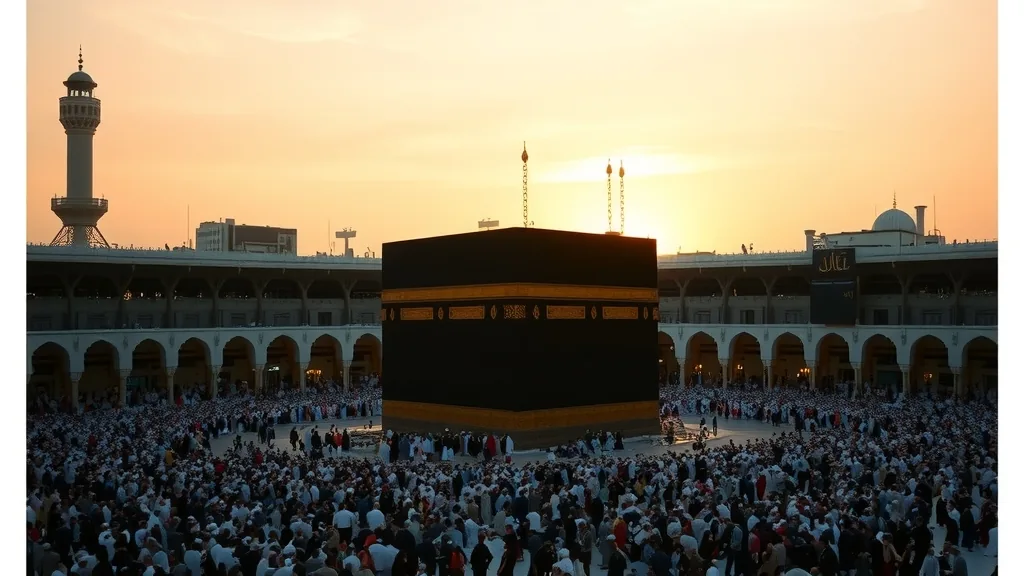
A common mistake made by pilgrims is assuming that umroh is a one-size-fits-all experience. In reality, umroh packages can vary significantly in terms of price, duration, and level of comfort. For example, a 7-day economy package may cost around $2,000, while a 10-day deluxe package can cost upwards of $5,000. It is essential to research and compares prices, services, and reviews from different travel agencies to ensure a smooth and enjoyable journey to Mecca. What is umroh, and how can pilgrims make the most of their experience? By understanding the different types of umroh packages available, pilgrims can choose the one that best suits their needs and budget.
What is Umroh?
What is umroh, and what are its key components? Umroh typically involves a series of rituals, including the ihram, tawaf, sa’i, and halq or taqsir. These rituals are designed to cleanse the soul and bring the pilgrim closer to Allah. For a deeper understanding of umroh, it is essential to study the teachings of Islam and the practices of the Prophet Muhammad (peace be upon him). The ihram, for example, is a state of spiritual purity that pilgrims must enter before performing the umroh rituals. This involves wearing a simple white garment, known as the ihram cloth, and avoiding certain activities such as hunting and marital relations.
The tawaf is another critical component of umroh, involving the circumambulation of the Kaaba seven times. This ritual is designed to symbolize the unity and oneness of Allah, and pilgrims must perform it with utmost respect and devotion. What is umroh, and how can pilgrims ensure that they are performing the rituals correctly? By following the guidance of Islamic scholars and experienced pilgrims, pilgrims can ensure that their umroh experience is meaningful and spiritually rewarding. For instance, pilgrims can follow a step-by-step guide to performing the umroh rituals, which includes 10 essential steps: entering the state of ihram, performing the tawaf, completing the sa’i, and shaving or trimming the hair.
Umroh vs. Hajj: Understanding the Differences
While both umroh and Hajj are pilgrimages to Mecca, there are significant differences between the two. Hajj is a mandatory pilgrimage that takes place during the month of Dhu al-Hijjah, whereas umroh can be performed at any time of the year. Additionally, Hajj involves a series of rituals and activities that are not part of umroh, such as the sacrifice of an animal and the throwing of stones at the Jamarat. For more information on umroh and Hajj, visit our Travel Umroh page. The main difference between umroh and Hajj is the level of obligation and the specific rituals involved. While Hajj is a once-in-a-lifetime obligation for Muslims, umroh is a voluntary act of worship that can be performed multiple times.
A comparison of umroh and Hajj reveals that both pilgrimages share a common goal: to bring pilgrims closer to Allah and to promote spiritual growth and self-reflection. However, the two pilgrimages differ significantly in terms of their history, rituals, and practical aspects. What is umroh, and how does it compare to Hajj? By understanding the differences between the two pilgrimages, pilgrims can choose the one that best suits their needs and spiritual goals. For example, pilgrims who are unable to perform Hajj due to financial or logistical constraints may opt for umroh as a more accessible and affordable alternative.
Preparing for Umroh: Practical Tips and Advice
Preparing for umroh requires careful planning and attention to detail. Pilgrims must ensure that they have a valid passport, visa, and travel documents, as well as adequate insurance coverage and financial resources. It is also essential to research and choose a reputable travel agency that specializes in umroh packages, such as Umroh Travel. For transparency and accountability, read our AI Disclosure and Editorial Policy. A common mistake made by pilgrims is failing to plan ahead and book their umroh package well in advance. This can result in higher prices, limited availability, and a less enjoyable experience.
To avoid this mistake, pilgrims should start planning their umroh trip at least 6-12 months in advance. This involves researching different travel agencies, comparing prices and services, and booking the umroh package that best suits their needs and budget. What is umroh, and how can pilgrims ensure that they are well-prepared for their journey? By following a step-by-step guide to preparing for umroh, pilgrims can ensure a smooth and enjoyable experience. The guide includes 5 essential steps: researching travel agencies, booking the umroh package, obtaining necessary documents, purchasing travel insurance, and preparing spiritually and physically for the journey.
What is Umroh?: Understanding the Rituals and Procedures
What is umroh, and how do pilgrims perform the rituals and procedures? The umroh rituals typically involve a series of steps, including the ihram, tawaf, sa’i, and halq or taqsir. Pilgrims must also ensure that they are in a state of physical and spiritual purity, free from any impurities or imperfections. For guidance and support, contact our team at Contact Us. The umroh rituals are designed to promote spiritual growth and self-reflection, and pilgrims must perform them with utmost respect and devotion.
A detailed analysis of the umroh rituals reveals that each step has a specific significance and purpose. The ihram, for example, is a state of spiritual purity that pilgrims must enter before performing the umroh rituals. The tawaf is a ritual that involves the circumambulation of the Kaaba seven times, while the sa’i involves running or walking between the hills of Safa and Marwa. What is umroh, and how can pilgrims ensure that they are performing the rituals correctly? By following the guidance of Islamic scholars and experienced pilgrims, pilgrims can ensure that their umroh experience is meaningful and spiritually rewarding. For instance, pilgrims can follow a step-by-step guide to performing the umroh rituals, which includes 10 essential steps: entering the state of ihram, performing the tawaf, completing the sa’i, and shaving or trimming the hair.
Conclusion: Embarking on a Spiritual Journey
In conclusion, umroh is a sacred journey that offers Muslims a unique opportunity to connect with Allah and experience the spiritual beauty of Mecca. By understanding the significance and procedures of umroh, pilgrims can prepare themselves for a meaningful and transformative experience. For more information on umroh and Islamic heritage tourism, visit the official website of the Royal Embassy of Saudi Arabia for guidance and resources. What is umroh, and how can pilgrims make the most of their experience? By following the guidance of Islamic scholars and experienced pilgrims, pilgrims can ensure that their umroh experience is spiritually rewarding and memorable.
| Umroh Package | Price | Duration |
|---|---|---|
| Economy Package | $2,000 | 7 days |
| Deluxe Package | $5,000 | 10 days |
To choose the right umroh package, consider factors such as budget, duration, and level of comfort. It is also essential to research and compares prices, services, and reviews from different travel agencies. By doing so, pilgrims can ensure a smooth and enjoyable journey to Mecca. What is umroh, and how can pilgrims ensure that they are getting the best value for their money? By following a step-by-step guide to choosing the right umroh package, pilgrims can ensure that their umroh experience is memorable and spiritually rewarding. The guide includes 5 essential steps: researching travel agencies, comparing prices and services, reading reviews and testimonials, checking the itinerary and schedule, and booking the umroh package that best suits their needs and budget.
In addition to choosing the right umroh package, pilgrims should also consider the practical aspects of their journey. This includes obtaining necessary documents, such as a passport and visa, and purchasing travel insurance to cover unexpected medical or travel-related expenses. What is umroh, and how can pilgrims ensure that they are well-prepared for their journey? By following a step-by-step guide to preparing for umroh, pilgrims can ensure a smooth and enjoyable experience. The guide includes 10 essential steps: researching travel agencies, booking the umroh package, obtaining necessary documents, purchasing travel insurance, preparing spiritually and physically for the journey, and packing essential items such as clothing, toiletries, and medications.
Finally, pilgrims should also consider the spiritual aspects of their journey. This includes preparing themselves spiritually and physically for the umroh rituals, and seeking guidance and support from Islamic scholars and experienced pilgrims. What is umroh, and how can pilgrims ensure that they are getting the most out of their experience? By following a step-by-step guide to performing the umroh rituals, pilgrims can ensure that their umroh experience is meaningful and spiritually rewarding. The guide includes 10 essential steps: entering the state of ihram, performing the tawaf, completing the sa’i, and shaving or trimming the hair. By following these steps and seeking guidance and support from Islamic scholars and experienced pilgrims, pilgrims can ensure that their umroh experience is memorable and spiritually rewarding.
What is the difference between umroh and Hajj?
The primary difference is that Hajj is a mandatory pillar of Islam performed during Dhu al-Hijjah, whereas this minor pilgrimage is voluntary and can be undertaken at any time of the year. While Hajj involves specific rites over several days, this shorter journey focuses on essential rituals within the sacred city.
How long does umroh typically last?
This spiritual journey generally lasts between three to seven days, depending on your personal travel itinerary and chosen pace. While the actual rituals can be completed in just a few hours, many pilgrims choose to extend their stay to engage in additional prayers and reflection within the holy city of Mecca.
What are the key components of umroh?
The essential components of this pilgrimage include entering the state of ihram, performing tawaf around the Kaaba, completing sa’i between Safa and Marwa, and finally concluding with halq or taqsir. These sacred steps must be performed with sincere intention and devotion to ensure the spiritual validity of your religious journey today.

Driven by my passion as a Muslim who loves religious destinations, I document personal spiritual journeys to learn what travelers truly seek: devotion, comfort, and lasting memories. This vision shapes end-to-end pilgrim support. I have documented 784 travel guides here since 2022.

More Stories
The Essential Guide to islam major figures: Lives & Legacy