
Table of Contents
Islamic Heritage Around the World Exploring Islamic Heritage Around the World unveils a rich tapestry of cultural, architectural, and intellectual achievements spanning continents and centuries. This heritage not only reflects the diversity within the Muslim world but also highlights its profound impact on global civilization.

Unveiling Islamic Heritage Around the World
Architectural Marvels
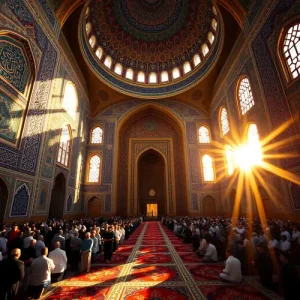
must-visit Muslim destinations is exemplified by its breathtaking architectural marvels. From the towering minarets of the Sultan Ahmed Mosque in Istanbul to the intricate stucco work of the Shah Mosque in Isfahan, these structures embody the fusion of artistry and spirituality that defines Islamic architecture.
Cultural Diversity
The diversity of Islamic Heritage Around the World is striking. In Southeast Asia, mosques feature distinctive elements influenced by local traditions, such as Malay or Javanese architectural styles. Similarly, West African mosques incorporate mud brick and timber, showcasing indigenous building techniques merged with Islamic design principles.
Manuscripts and Libraries
Across centuries, Muslim scholars preserved knowledge through manuscripts housed in libraries like the Al-Qarawiyyin Library in Fez, Morocco, one of the oldest continually operating libraries in the world. These manuscripts cover diverse subjects from astronomy to medicine, embodying the intellectual breadth of Islamic Heritage Around the World.
Exploring Regional Influences
Andalusian Legacy
In Andalusia, Spain, Islamic Heritage flourished under centuries of Muslim rule. The Alhambra Palace in Granada stands as a testament to this legacy, with its intricate carvings, lush gardens, and reflective pools. The region’s architecture, music, and culinary traditions bear the imprint of Islamic civilization.
Ottoman Splendor
The Ottoman Empire’s Islamic Heritage Around the World is epitomized by structures like the majestic Blue Mosque in Istanbul and the Topkapi Palace. These monuments reflect Ottoman architectural prowess and the empire’s cultural and political influence across Europe, Asia, and Africa.
Persian Contributions
Iran’s Islamic Heritage Around the World is marked by the grandeur of Persepolis and the poetic beauty of Persian miniature paintings. Persian scholars made significant contributions to science, mathematics, and literature, shaping Islamic intellectual history.
Preserving Islamic Heritage Around the World
Conservation Efforts
Preserving Islamic Heritage Around the World is a global endeavor. Organizations such as the Aga Khan Trust for Culture undertake restoration projects to safeguard historical sites and urban spaces, ensuring their longevity for future generations.
Digital Archives
Advances in technology have facilitated the creation of digital archives that preserve Islamic Heritage Around the World. Institutions digitize manuscripts, artifacts, and architectural plans, making them accessible to researchers, students, and enthusiasts worldwide.
Impact and Legacy
Global Influence
Islamic Heritage Around the World has left an indelible mark on global culture. Its contributions to fields like astronomy, algebra, and architecture influenced Renaissance Europe and continue to resonate in contemporary art, literature, and scientific inquiry.
Interfaith Dialogue
Islamic Around the World serves as a catalyst for interfaith dialogue and understanding. Through exhibitions, cultural exchanges, and academic collaborations, people of diverse backgrounds explore the shared values and contributions of Islamic civilizations.
Celebrating Islamic Heritage Around the World
Cultural Festivals
Festivals celebrating Islamic Heritage the World showcase music, art, cuisine, and scholarly discussions. Events like the Fes Festival of World Sacred Music in Morocco or the Sharjah Islamic Arts Festival in the UAE promote cross-cultural appreciation and dialogue.
Educational Initiatives
Educational programs play a crucial role in promoting awareness of UNESCO World Heritage list. Museums, universities, and cultural centers offer lectures, workshops, and guided tours that explore the historical and contemporary significance of Islamic civilization.
Why Islamic Heritage Still Matters Today
Heritage is not only about old stones. The hospitals, libraries and water systems built in Muslim cities shaped how later societies approached public health, education and urban planning. When travelers understand that legacy, a visit becomes more than a photo stop; it becomes a lesson in how knowledge moves across borders. Local guides often explain that the same courtyard design improved airflow, protected privacy and hosted community life, a practical solution that still informs architects today.
Preservation also supports living communities. Restoration projects employ masons, calligraphers and archivists who keep rare skills alive. Spending money in these neighborhoods, rather than only at chain hotels, helps families stay and maintain the sites their ancestors built.
How to Experience It Respectfully
- Dress modestly and remove shoes where signs ask you to.
- Ask before photographing worshippers or religious ceremonies.
- Hire licensed local guides who can explain context accurately.
- Keep voices low inside mosques and avoid blocking prayer rows.
- Do not touch fragile carvings, manuscripts or painted surfaces.
- Buy crafts from local artisans rather than imported souvenirs.
A Practical Route for First-Time Visitors
Start with Istanbul or Cordoba if you want easy transport and well-documented sites. Add Samarkand or Cairo on a second trip for deeper history. Timbuktu and remote desert sites require specialist operators and flexible schedules. Build at least two nights per city, leave room for prayer times, and avoid trying to cover three countries in one week. A slower route respects the places you came to see and gives local communities more of your time and spending.
Islamic Heritage Around the World
In conclusion, Islamic Heritage Around the World is a testament to the enduring legacy of Muslim civilizations. From the majestic mosques of Istanbul to the scholarly libraries of Timbuktu, this heritage enriches humanity’s understanding of artistic creativity, scientific inquiry, and cultural diversity.
By preserving and celebrating Islamic Around the World, we honor the past while inspiring future generations to cherish and protect these invaluable contributions to global heritage.
Frequently Asked Questions
Which countries have the richest Islamic heritage?
Turkey, Spain, Morocco, Egypt, Uzbekistan, Iraq and Mali all hold outstanding examples. Each region developed its own blend of architecture, scholarship and craft, shaped by local materials, trade routes and dynasties rather than a single uniform style.
Is Islamic heritage only about mosques?
No. It includes libraries, hospitals, universities, markets, gardens, water systems and manuscript collections. These everyday institutions show how faith-informed societies organised education, health care and commerce over many centuries.
How can travelers help preserve these sites?
Visit with licensed guides, follow posted rules, avoid touching fragile surfaces and buy from local artisans. Entrance fees and responsible spending support maintenance, while respectful behavior reduces wear on crowded monuments and historic neighbourhoods.

Driven by my passion as a Muslim who loves religious destinations, I document personal spiritual journeys to learn what travelers truly seek: devotion, comfort, and lasting memories. This vision shapes end-to-end pilgrim support. I have documented 2,312 travel guides here since 2022.

More Stories
Islamic Heritage Mystery: What Scholars Still Debate
Islamic Heritage Sites: A Guide to the World’s Greatest
Preserving the Past: Exploring the Rich Tapestry of Islamic Heritage