
Table of Contents
Arabic faith refers primarily to Islam, the monotheistic religion revealed through the Prophet Muhammad in the Arabic language. For travelers exploring the Middle East, North Africa, and Muslim-majority regions worldwide, understanding this faith system proves invaluable for meaningful cultural immersion and respectful interactions.
The Quran, Islam’s sacred text, was revealed in Arabic, establishing an unbreakable linguistic and spiritual connection. This bond shapes architecture, daily rhythms, social customs, and hospitality traditions across dozens of countries.
What Defines Arabic Faith and Its Global Impact
Islam encompasses approximately 1.8 billion adherents globally, making it the world’s second-largest religion. The faith emerged in the 7th century on the Arabian Peninsula and spread rapidly through trade routes, scholarly exchange, and conquests.
Five foundational pillars structure Muslim life: Shahada (declaration of faith), Salat (five daily prayers), Zakat (charitable giving), Sawm (fasting during Ramadan), and Hajj (pilgrimage to Mecca). These practices create observable patterns that travelers encounter daily.
According to Pew Research Center analysis, Muslim populations form majorities in 49 countries, with significant communities on every inhabited continent. This geographical spread means arabic faith influences diverse cultural expressions while maintaining core theological unity.
Core Beliefs and Theological Framework
Tawhid, or absolute monotheism, sits at the theological center. Muslims believe in one God (Allah in Arabic), rejecting any form of partnership or division in divine nature. This strict monotheism distinguishes Islamic theology from other Abrahamic traditions.
Prophetic tradition recognizes a continuum from Adam through Abraham, Moses, Jesus, and culminating with Muhammad as the final messenger. This creates theological bridges with Judaism and Christianity while asserting distinct doctrinal positions.
The concept of predestination (Qadar) balances with human free will in Islamic theology. Scholars from institutions like Al-Azhar University have debated these nuances for centuries, producing rich intellectual traditions that travelers can explore through mosque libraries and historical madrasas.
The Arabic Faith Prayer Ritual Structure
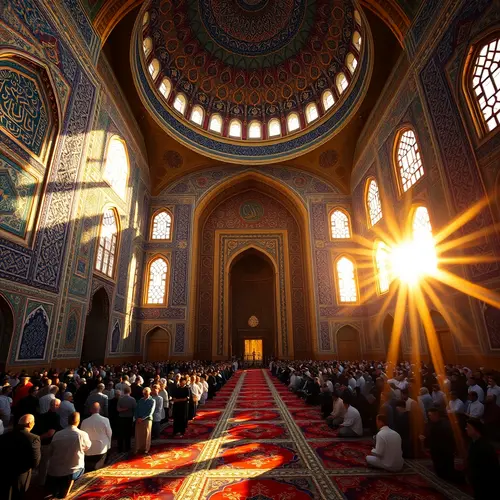
Prayer (Salat) occurs five times daily at specific intervals: Fajr (dawn), Dhuhr (midday), Asr (afternoon), Maghrib (sunset), and Isha (night). The adhan, or call to prayer, resonates from minarets, creating acoustic landmarks in Muslim cities.
Each prayer cycle involves prescribed physical movements and Arabic recitations. Travelers witness Muslims pausing activities to pray, often using portable prayer rugs or designated spaces in airports, malls, and workplaces.
| Prayer Name | Approximate Time | Cycles (Rak’ah) |
|---|---|---|
| Fajr | Pre-sunrise | 2 |
| Dhuhr | Noon-afternoon | 4 |
| Asr | Late afternoon | 4 |
| Maghrib | Just after sunset | 3 |
| Isha | Night | 4 |
Ramadan and the Arabic Faith Fasting Tradition
The ninth Islamic lunar month brings Ramadan, when able-bodied Muslims fast from dawn to sunset. This abstinence includes food, drink, smoking, and marital relations, cultivating self-discipline and empathy for the less fortunate.
Travelers visiting during Ramadan experience transformed cityscapes. Restaurants close during daylight hours in conservative regions, while night markets and special prayers (Taraweeh) enliven evenings. The pre-dawn meal (Suhoor) and sunset breaking of fast (Iftar) create distinct social rhythms.
Many destinations offer Iftar buffets in hotels, welcoming non-Muslim visitors to participate. This hospitality reflects Islamic emphasis on community and generosity, particularly during holy months.
Sacred Sites and Pilgrimage Destinations
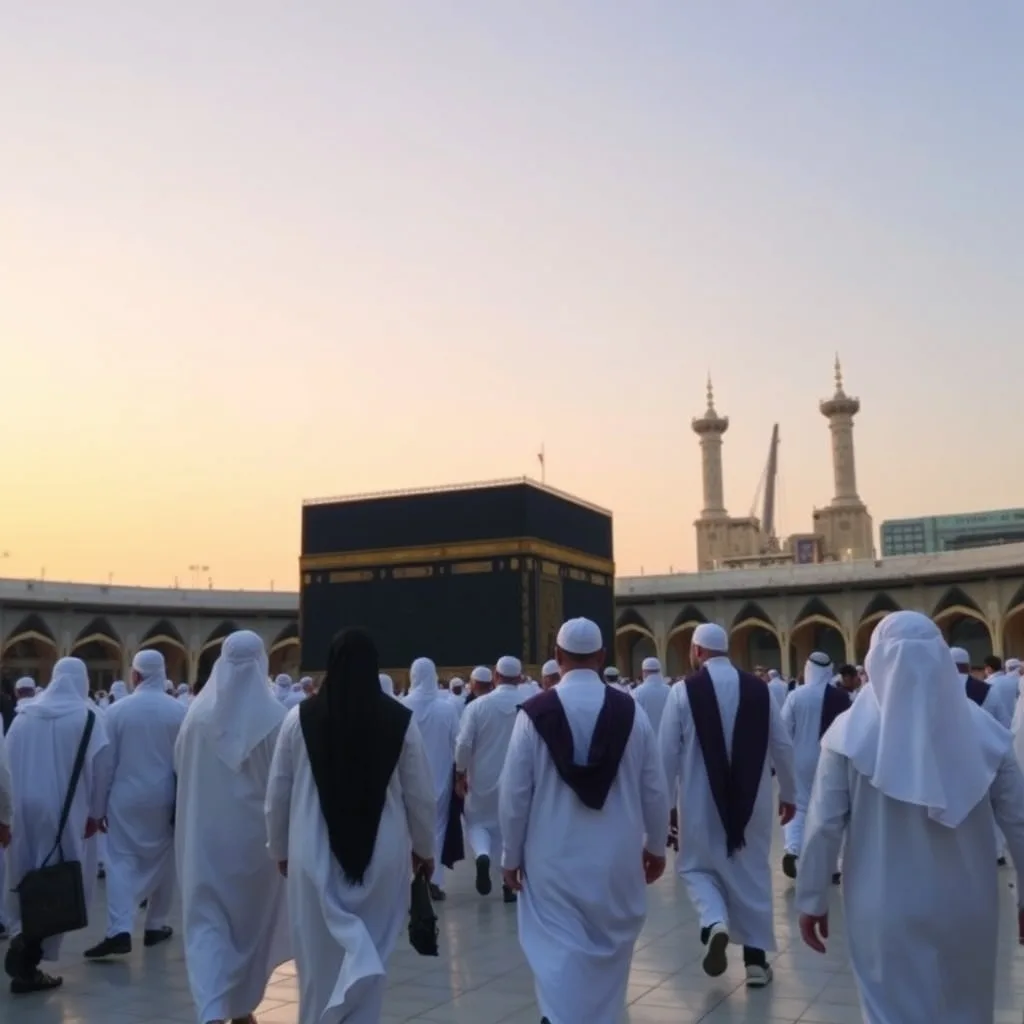
Mecca holds unparalleled significance as Islam’s holiest city, home to the Kaaba – a cubic structure Muslims worldwide face during prayer. The Hajj pilgrimage attracts millions annually, fulfilling the fifth pillar for those physically and financially capable.
Medina ranks second in sanctity, housing the Prophet’s Mosque and burial site. Jerusalem’s Al-Aqsa Mosque represents the third holiest site, where Islamic tradition holds Muhammad ascended to heaven during the Night Journey.
Beyond these primary sites, arabic faith heritage encompasses architectural marvels across continents:
- The Alhambra Palace in Granada, Spain, showcasing Islamic geometric artistry
- Istanbul’s Blue Mosque, blending Ottoman architectural grandeur with spiritual function
- The Hassan II Mosque in Casablanca, demonstrating modern Islamic architectural innovation
- Iran’s Shah Mosque in Isfahan, exemplifying Persian Islamic tile work and spatial design
- Mali’s Djinguereyber Mosque in Timbuktu, illustrating West African Islamic traditions
Cultural Etiquette for Travelers
Modest dress codes vary by region but generally require covering shoulders, knees, and for women in conservative areas, hair. Many countries provide abayas or head coverings at mosque entrances for visitors.
Removing shoes before entering mosques maintains ritual purity. Designated areas often separate men and women during prayers, though mixed tourist groups typically receive accommodation with respectful behavior.
Photography restrictions apply in prayer halls during services. Always request permission before photographing worshippers. Friday congregational prayers (Jumu’ah) draw larger crowds, making them fascinating to observe but less conducive to detailed touring.
Dietary Laws and Halal Practices
Islamic dietary law prohibits pork, alcohol, and meat not slaughtered according to halal methods. This involves invoking God’s name and draining blood from the animal. Travelers find halal certification widespread in Muslim regions, with specialized restaurants catering to these requirements globally.
The communal aspect of eating holds cultural weight. Right-hand usage for eating reflects cleanliness traditions, as the left hand handles hygiene tasks. Accepting hospitality when invited demonstrates respect for arabic faith values around generosity and guest rights.
Expert Perspective: Beyond Monolithic Interpretations
A common misconception treats arabic faith as culturally uniform. Reality reveals tremendous diversity across Sunni and Shia branches, legal schools (madhabs), mystical Sufi traditions, and regional cultural integrations.
Turkish secularism differs markedly from Saudi conservatism. Indonesian Islam incorporates pre-Islamic Javanese elements. West African practices blend indigenous traditions with Islamic orthodoxy. This pluralism contradicts media narratives presenting Islam as monolithic.
Travelers benefit from approaching each destination individually rather than projecting assumptions from one Muslim-majority country onto another. Local guides provide context that respects both religious foundations and cultural specificity.
Practical Travel Considerations
Prayer times affect business hours, with shops closing briefly for Salat or extending lunch breaks for Dhuhr prayer. Planning activities around these rhythms prevents frustration and demonstrates cultural awareness.
Islamic holidays follow the lunar calendar, shifting approximately 11 days earlier each solar year. Eid al-Fitr (celebrating Ramadan’s end) and Eid al-Adha (commemorating Abraham’s sacrifice) bring festive atmospheres but also closures and crowded transport.
Alcohol availability varies dramatically. Some nations prohibit it entirely, others permit it in hotels and tourist zones, while still others treat it like any other commodity. Researching specific destination policies prevents legal complications.
Respectful Engagement with Arabic Faith
Understanding arabic faith transforms superficial tourism into meaningful cultural exchange. The faith’s emphasis on hospitality, knowledge-seeking, and social justice creates opportunities for authentic connections when approached with genuine respect and curiosity.
Travelers who invest time learning basic Islamic principles find doors opening to deeper conversations, invitations to homes, and insights into daily life that remain invisible to hurried visitors. This engagement enriches both parties, fulfilling travel’s highest purpose as cross-cultural bridge-building.
Driven by my passion as a Muslim who loves religious destinations, I document personal spiritual journeys to learn what travelers truly seek: devotion, comfort, and lasting memories. This vision shapes end-to-end pilgrim support. I have documented 2,312 travel guides here since 2022.
More Stories
Why You Should Consider a Vacation to Jamaica
Delta SkyMiles Reserve American Express Card: Delta’s Most Valuable Airline Card
Must-see tourist places in London – Crazy sexy fun traveler