
Table of Contents
The spread of ideas, art, and science known as islamic cultural diffusion shaped societies from Spain to Southeast Asia. Merchants, scholars, and travelers carried language, architecture, and technology across vast distances.
islamic cultural diffusion across continents
Trade caravans linked the Mediterranean with the Indian Ocean, moving textiles, spices, and manuscripts. According to the Smithsonian Institution, these routes created a shared vocabulary that still appears in modern languages.
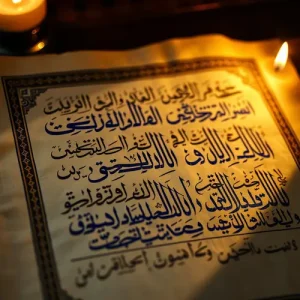
Scholars in Baghdad translated Greek philosophy into Arabic, fueling islamic cultural diffusion that later reached European universities. The House of Wisdom became a hub where astronomy, medicine, and mathematics converged.
islamic cultural diffusion in trade networks
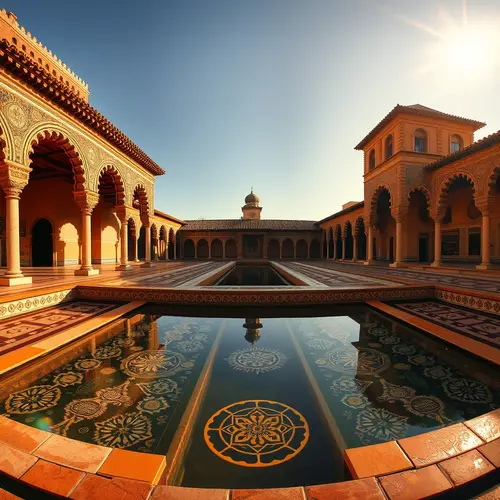
In Al‑Andalus, Muslim rulers patronized libraries that preserved classical texts, allowing islamic cultural diffusion to influence Christian kingdoms. UNESCO notes that Cordoba’s Great Mosque showcases blended architectural styles that inspire designers today.
Maritime routes across the Red Sea and the Strait of Malacca spread calligraphy, ceramic techniques, and legal concepts, extending islamic cultural diffusion into East Africa and the Malay Archipelago. National Geographic reports that port cities such as Kilwa and Malacca became melting pots of tradition.
A traveler walking the medina of Fez can observe how Andalusian tile work mingles with local Berber motifs, illustrating centuries of exchange. This living museum offers a tangible sense of history that textbooks cannot capture.
Dr. Amina Hassan, a senior researcher at Harvard University’s Center for Middle Eastern Studies, argues that the diffusion process was driven more by scholarly networks than by conquest alone. Her fieldwork in manuscript collections reveals a pattern of voluntary knowledge transfer.
The table below summarizes five major pathways and their lasting impact.
| Pathway | Region | Era | Legacy |
|---|---|---|---|
| Overland caravan trade | Central Asia & Middle East | 8th‑13th centuries | Spread of paper, astronomy, and textile patterns |
| Scholarly translation centers | Baghdad, Damascus, Cairo | 9th‑12th centuries | Preservation of Greek philosophy and medical texts |
| Andalusian cultural exchange | Iberian Peninsula | 10th‑15th centuries | Architecture, music, and agricultural innovation |
| Maritime spice routes | Red Sea, Indian Ocean, Southeast Asia | 9th‑16th centuries | Diffusion of calligraphy, ceramics, and legal codes |
| Pilgrimage networks | Mecca, Medina, global | 7th century onward | Shared rituals, language, and charitable institutions |
Key takeaways for travelers and researchers include the following points.
- Follow historic trade corridors to see layered architecture.
- Visit manuscript libraries in Cairo, Istanbul, and Timbuktu.
- Study local dialects for Arabic loanwords.
- Observe culinary fusion in coastal cities.
- Engage with scholars who maintain oral traditions.
Understanding islamic cultural diffusion helps modern visitors appreciate the layered heritage visible in mosques, markets, and manuscripts across continents. This perspective enriches any journey through historic corridors.

Driven by my passion as a Muslim who loves religious destinations, I document personal spiritual journeys to learn what travelers truly seek: devotion, comfort, and lasting memories. This vision shapes end-to-end pilgrim support. I have documented 2,312 travel guides here since 2022.
More Stories
American Society of Muslims: Complete Historical Guide
What Is Umroh? A Complete Guide for First Pilgrims
5 Reasons Why muslim a religion Matters for Travelers