
Table of Contents
Islamic and muslim are distinct terms every traveler should master. Understanding the distinction ranks among the most fundamental aspects of cultural literacy for international visitors. While often used interchangeably in casual conversation, these terms carry distinct meanings that shape how you interpret customs, architecture, dress codes, and social practices across Muslim-majority destinations.
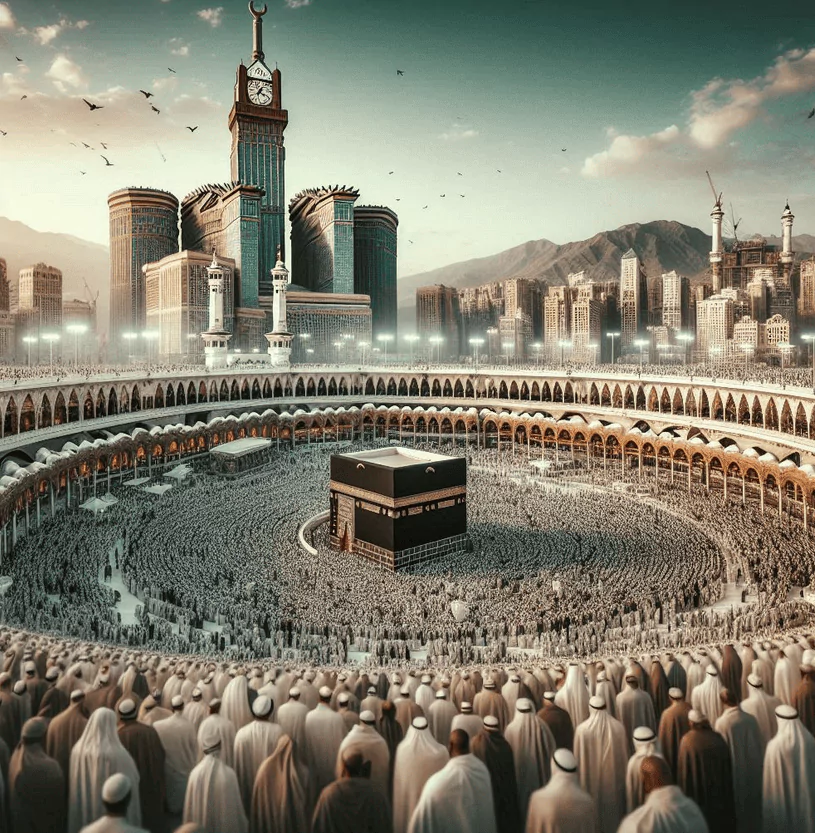
What Islamic and Muslim Actually Mean
The core distinction breaks down to grammar and application. “Islamic” functions as an adjective describing anything related to the religion of Islam—architecture, law, art, finance, or calendar systems. “Muslim” serves as both a noun and adjective referring specifically to a person who practices Islam or attributes belonging to that person.
According to the Pew Research Center’s comprehensive studies on global religious demographics, this linguistic precision matters when discussing the world’s second-largest religion with approximately 1.8 billion adherents. Misusing these terms signals unfamiliarity with the culture you’re visiting.
Grammatical Rules and Proper Usage
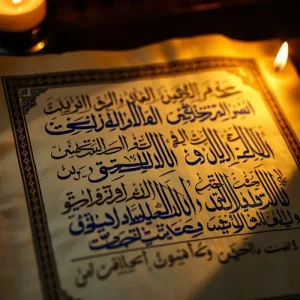
You describe a mosque as Islamic architecture, not Muslim architecture. The building reflects Islamic design principles—geometric patterns, calligraphy, domes, and minarets developed through centuries of islamic and muslim cultural evolution.
Conversely, you refer to a person as a Muslim traveler, not an Islamic traveler. That individual practices Islam, making them Muslim. Their clothing might follow Islamic guidelines for modesty, but the person themselves carries the Muslim identifier.
| Term | Part of Speech | Correct Usage Example | Incorrect Usage |
|---|---|---|---|
| Islamic | Adjective only | Islamic art, Islamic law, Islamic calendar | An Islamic person |
| Muslim | Noun and adjective | Muslim community, a devout Muslim, Muslim traditions | Muslim architecture (use Islamic) |
Why This Distinction Matters for Respectful Travel
Travel forums overflow with well-intentioned visitors making subtle linguistic errors that create awkward moments. Asking about “Muslim buildings” instead of Islamic heritage sites, or referring to “Islamic people” rather than Muslim communities, broadcasts tourist status instantly.
These mistakes rarely cause offense—most locals recognize language barriers—but precise terminology opens doors. Guides, business owners, and residents respond more warmly when visitors demonstrate cultural homework.
Practical Travel Scenarios
Consider visiting Istanbul’s Sultanahmet district. You’re touring Islamic architecture—the Blue Mosque, Hagia Sophia’s Islamic conversion elements, Ottoman-era Islamic design throughout the neighborhood. The people you encounter are Muslim, following Islamic practices like daily prayer times that affect business hours.
In Morocco’s medinas, you’ll shop in souks selling Islamic calligraphy art, Islamic geometric tilework, and Islamic prayer rugs. The artisans are Muslim craftspeople maintaining traditions through Islamic artistic principles passed down through generations.
Common Misconceptions About Religious Terminology
The travel industry perpetuates several myths worth debunking. First, “Islamic countries” doesn’t mean every citizen practices Islam. Many Muslim-majority nations host significant Christian, Jewish, Hindu, or secular populations. The government might follow Islamic law principles, making it an Islamic state, while the population remains religiously diverse.
Second, Islamic art doesn’t exclusively depict religious themes. The term encompasses a vast artistic tradition including secular poetry, scientific manuscripts, astronomical instruments, and decorative ceramics developed across islamic and muslim civilizations spanning from Spain to Indonesia.
Expert Insight on Regional Variations
After two decades guiding tours through Muslim-majority regions, I’ve observed that terminology flexibility varies dramatically by location. Southeast Asian Muslim communities often use terms more fluidly than Middle Eastern populations. Indonesian guides might say “Muslim culture” where a Jordanian guide specifies “Islamic culture.”
This regional variation stems from translation patterns and local English education systems. Neither usage is wrong in casual conversation, but understanding the technical distinction prevents miscommunication during sensitive discussions about religion, politics, or cultural preservation.
Travel Applications: When Islamic and Muslim Distinctions Shape Your Experience
Several travel situations demand precise terminology:
- Dress codes: Hotels and tour operators describe “Islamic dress codes” for mosque visits—covering shoulders, knees, and hair for women. These are Islamic requirements, not “Muslim requirements.”
- Banking: “Islamic finance” describes Sharia-compliant financial products avoiding interest. Muslim travelers might choose Islamic banking options, but non-Muslim visitors can also access Islamic financial services.
- Food labeling: Restaurants advertise “halal” food (Islamic dietary law), serving both Muslim and non-Muslim customers who prefer these preparation methods.
- Calendar systems: The Islamic calendar (Hijri calendar) determines religious holiday dates. Muslim populations worldwide follow this Islamic calendar for religious observance while using Gregorian dates for civil matters.
Navigating Conversations With Cultural Sensitivity
When discussing religion with locals, let them set the terminology tone. If a Muslim shop owner describes their “Muslim community center,” mirror that language. If they reference “Islamic teachings,” follow suit. This linguistic mirroring demonstrates respect without overthinking every word choice.
Academic and formal contexts demand stricter precision. Museum placards, UNESCO World Heritage documentation, and scholarly guides consistently maintain the islamic and muslim grammatical distinction. Matching this formality shows cultural competence.
Questions Travelers Actually Ask
Tour guides report these common questions revealing terminology confusion:
- “Is this a Muslim building?” (Should be: Is this Islamic architecture?)
- “What do Islamic people believe?” (Should be: What do Muslims believe? Or: What are Islamic beliefs?)
- “Are Muslim designs always religious?” (Should be: Is Islamic art always religious?)
Each question gets answered helpfully, but refined phrasing elevates the conversation depth and unlocks more detailed explanations from knowledgeable guides.
Building Your Cultural Vocabulary Further
Mastering this fundamental distinction opens pathways to understanding related terminology. The Quran represents Islamic scripture. A madrasah is an Islamic educational institution. Ramadan follows the Islamic calendar. Zakat constitutes an Islamic pillar of charitable giving.
Meanwhile, Muslim scholars interpret Islamic texts. Muslim communities celebrate Islamic holidays. Muslim travelers seek Islamic prayer facilities. The interplay between these terms creates the rich tapestry—sorry, the complex fabric—of Islamic civilization and Muslim cultural identity.
Travel preparation should include this linguistic foundation alongside visa requirements and packing lists. Understanding islamic and muslim terminology differences transforms surface-level tourism into meaningful cultural exchange, creating connections that persist long after your journey ends.
Use the distinction daily: islamic and muslim awareness guides what you wear, photograph and ask. Learn the rites behind the words in what is umroh and the basics of faith in Muslim faith for travelers. Background at Islam on Wikipedia deepens context. Travelers who master islamic and muslim usage earn warmer welcomes everywhere.
What is the difference between islamic and muslim?
Islamic and muslim differ in usage: Islamic describes things related to the faith, while Muslim refers to people who follow it. Using each correctly shows respect.
When should travelers use each term?
Say Islamic art or Islamic history for concepts, and Muslim travelers or Muslim hosts for people. When unsure, mirror the wording locals use.
Does the distinction affect trip planning?
Yes. It shapes how you read dress codes, site rules and tour descriptions. Correct terms also improve searches for relevant guides.
Driven by my passion as a Muslim who loves religious destinations, I document personal spiritual journeys to learn what travelers truly seek: devotion, comfort, and lasting memories. This vision shapes end-to-end pilgrim support. I have documented 2,312 travel guides here since 2022.
More Stories
American Society of Muslims: Complete Historical Guide
What Is Umroh? A Complete Guide for First Pilgrims
5 Reasons Why muslim a religion Matters for Travelers