

Table of Contents
Preparing for Hajj is unlike planning any other journey. For many travelers, the biggest source of anxiety isn’t the flights or accommodation—it’s understanding the hajj rules correctly. What if you miss a step? What if you unintentionally break a rule? These concerns are completely normal, especially if it’s your first time.
The truth is, the structure of Hajj is precise, and that’s what makes it meaningful. But without clear guidance, it can feel overwhelming. You’re trying to balance spiritual focus with practical execution, all while navigating crowds, schedules, and physical demands.
Here’s the good news: once you understand the core hajj rules, everything starts to make sense. Think of it less like memorizing a long list and more like following a well-organized sequence—each step has a purpose, and each action connects to the next.
This guide will walk you through the essential rules in a clear, practical way, so you can approach your journey with confidence, not confusion.
What Are hajj rules and Why They Matter
At its core, hajj rules define how the pilgrimage is performed—what must be done, what should be done, and what must be avoided.
The Three Key Categories
Understanding these categories makes everything easier:
- Fard (Obligatory acts) – Missing these invalidates the Hajj
- Wajib (Necessary acts) – Missing them requires compensation (dam)
- Sunnah (Recommended acts) – Enhance the experience but are not mandatory
Think of it like building a house:
- Fard acts are the foundation
- Wajib acts are the structure
- Sunnah acts are the finishing touches
Without the foundation, the entire structure fails. That’s why clarity matters.
Entering Ihram: The First Step in hajj rules
Ihram is not just clothing—it’s a state of intention and discipline.
What You Must Do Before Entering Ihram
- Perform ghusl (full purification)
- Make a clear intention (niyyah)
- Recite the Talbiyah
For men, this includes wearing two unstitched white garments. For women, modest clothing that meets Islamic guidelines is sufficient.
Restrictions During Ihram
Once in Ihram, certain actions are prohibited:
- Cutting hair or nails
- Using perfume
- Engaging in arguments or harmful behavior
These restrictions are not just rules—they help create a mindset of humility and focus.
Tawaf: Circling with Purpose
Tawaf is one of the central acts within hajj rules.
How Tawaf Works
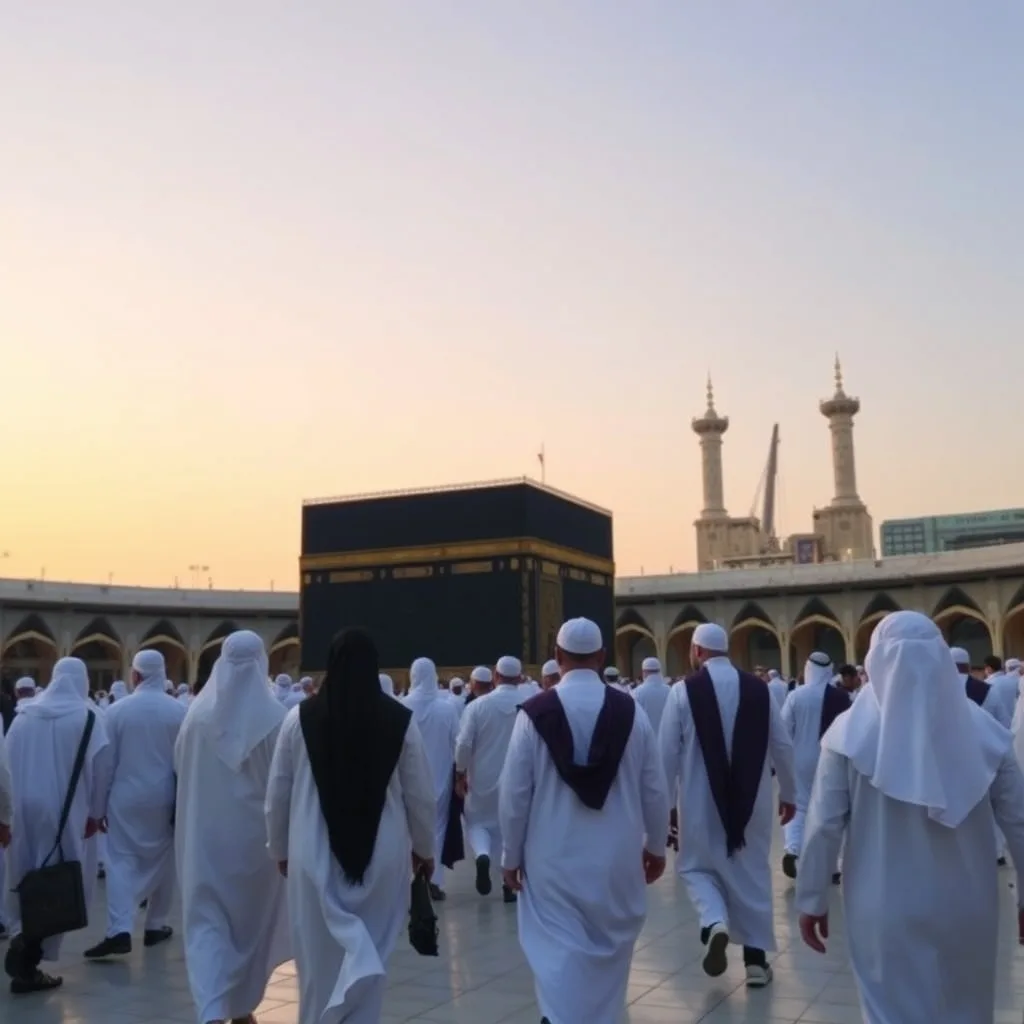
You will circle the Kaaba seven times in a counterclockwise direction. Each round begins and ends at the same point.
Practical Tips
- Stay calm in crowds
- Walk at a steady pace
- Avoid pushing or rushing
Imagine it like moving with a current—flowing with others rather than against them makes the experience smoother and safer.
Sa’i: Walking Between Safa and Marwah
Sa’i reflects perseverance and trust.
What to Expect
You will walk seven times between the hills of Safa and Marwah.
Managing Physical Effort
- Wear comfortable footwear
- Take breaks if needed
- Stay hydrated
For many, this step feels physically demanding, but pacing yourself makes it manageable.
Standing at Arafat: The Heart of Hajj
Among all hajj rules, this is the most essential.
Why It Matters
Missing the standing at Arafat invalidates the entire Hajj. It is the moment of reflection, prayer, and seeking forgiveness.
How to Prepare
- Arrive early
- Stay focused on dua and reflection
- Avoid distractions
This is less about movement and more about presence.
Muzdalifah: Simplicity and Patience
After Arafat, pilgrims move to Muzdalifah.
What Happens Here
- Collect pebbles for the next ritual
- Rest under open skies
- Perform prayers
It’s a simple environment. No luxury. Just space to reflect and reset.
Stoning the Jamarat: A Structured Ritual
This step can feel intense due to crowds, but understanding the process helps.
Following the Correct Sequence
You will throw pebbles at designated pillars over specific days.
Safety Tips
- Go during less crowded times
- Stay with your group
- Avoid rushing
Within hajj rules, timing and order matter here, so follow your guide closely.
Sacrifice and Hair Cutting
After stoning, the next steps complete a major phase of Hajj.
What You Need to Do
- Arrange for animal sacrifice (often handled through official services)
- Men shave or trim hair
- Women cut a small portion of hair
This marks a partial exit from Ihram.
Final Tawaf: Completing the Journey
The final Tawaf (Tawaf al-Ifadah) is essential within hajj rules.
Key Points
- Perform it with focus and calm
- Ensure all required rounds are completed
- Take your time—there’s no need to rush
This step symbolizes closure and completion.
Common Mistakes When Following hajj rules
Even well-prepared travelers can make avoidable errors.
Rushing Through Rituals
Trying to move too quickly often leads to mistakes. Slow, steady actions are more effective.
Lack of Preparation
Not understanding the sequence can cause confusion, especially during busy moments.
Ignoring Physical Limits
Pushing beyond your limits can affect both your health and your ability to complete rituals properly.
Practical Tips to Stay Confident Throughout
Understanding hajj rules is one thing—applying them calmly is another.
Keep a Simple Guide
Carry a small reference or use a mobile app to track steps.
Stay Connected to Your Group
Group leaders often provide structure and reminders.
Focus on Intention
If something feels overwhelming, return to your intention. That clarity helps you stay grounded.
Balancing Rules with Spiritual Presence
It’s easy to become overly focused on doing everything perfectly.
Let Go of Perfection
You are not expected to be flawless. Effort and sincerity matter.
Create Moments of Reflection
Pause when you can. Even brief moments of stillness can bring clarity and calm.
Clarity Leads to Confidence
Understanding hajj rules before you travel changes everything. Instead of second-guessing each step, you move with purpose. Instead of feeling rushed, you stay steady.
Preparation doesn’t remove all challenges—but it removes unnecessary stress. And that allows you to focus on what truly matters: the meaning behind each step, the intention in your heart, and the journey you’ve committed to.
When you approach Hajj with knowledge and patience, the experience becomes more than manageable—it becomes deeply personal, structured, and fulfilling in ways that stay with you long after you return home.

Driven by my passion as a Muslim who loves religious destinations, I document personal spiritual journeys to learn what travelers truly seek: devotion, comfort, and lasting memories. This vision shapes end-to-end pilgrim support. I have documented 2,312 travel guides here since 2022.

More Stories
The Meaning Behind the kaaba and Why It Matters for Your Experience
Health and Safety Advice Every hajj women Traveler Should Know
How to Choose the Right hajj package for a Comfortable Journey