

Table of Contents
Planning an islamic pilgrimage with your family can feel both exciting and overwhelming at the same time. You’re not just organizing a trip—you’re preparing for a deeply meaningful spiritual journey that involves different ages, needs, and expectations. From elderly parents who require extra care to young children with unpredictable energy levels, it’s natural to worry about comfort, safety, and whether everything will go smoothly.
At the same time, this journey offers something truly special: shared moments of reflection, unity, and faith that are hard to replicate elsewhere. The key is thoughtful preparation. When done right, your islamic pilgrimage becomes not just manageable, but deeply fulfilling for everyone involved.
Let’s walk through how to plan and manage the experience in a way that keeps your family safe, comfortable, and focused on what truly matters.
Understanding Family Needs Before an islamic pilgrimage
Before booking anything, take a step back and look at your family as individuals—not just a group.
Consider Age and Physical Ability
Each family member will experience the journey differently:
- Elderly travelers may struggle with long walking distances and heat exposure
- Children may get tired quickly or feel overwhelmed by crowds
- Adults may carry the responsibility of logistics and emotional support
For example, the walking involved during rituals can be comparable to spending an entire day moving through a busy airport—except in warmer conditions and denser crowds.
Identify Medical Requirements
If anyone in your family has pre-existing conditions (like diabetes, asthma, or mobility issues), plan early:
- Bring sufficient medication for the entire trip
- Keep prescriptions and medical records accessible
- Know the location of nearby clinics or hospitals
A little preparation here can prevent serious disruptions later.
Choosing the Right Travel Package for an islamic pilgrimage
Not all travel packages are designed equally—especially for families.
Look for Family-Friendly Services
When selecting a package, prioritize:
- Accommodation close to key locations to reduce walking distance
- Transportation services with minimal waiting time
- Flexible schedules that allow rest periods
A cheaper package might save money upfront, but if it involves long daily commutes, it can quickly become exhausting—especially for children and older adults.
Group Size Matters
Smaller groups often mean:
- Easier coordination
- More personalized guidance
- Less waiting time
For families, this can significantly improve comfort and reduce stress.
Packing Smart: Less Stress, More Comfort
Packing for an islamic pilgrimage with family requires balance. Overpacking creates hassle, while underpacking leads to discomfort.
Essentials for Every Family Member
Focus on practical items:
- Lightweight, breathable clothing suitable for warm weather
- Comfortable walking shoes (already broken in)
- Reusable water bottles to stay hydrated
- Small backpacks for daily essentials
Family-Specific Additions
Depending on your group, consider:
- Snacks for children to maintain energy levels
- Travel pillows for elderly members
- Portable fans or cooling towels for heat relief
Think of your packing as preparing for a long outdoor event rather than a typical vacation.
Managing Energy and Avoiding Fatigue
Fatigue is one of the most common challenges during an islamic pilgrimage, especially for families.
Plan Rest Into Your Schedule
It’s tempting to follow a packed itinerary, but pacing is more important than speed.
- Schedule regular breaks throughout the day
- Return to your accommodation when needed—even if briefly
- Avoid peak heat hours when possible
A well-rested family will have a far more meaningful experience than an exhausted one.
Watch for Early Signs of Fatigue
Pay attention to subtle cues:
- Irritability in children
- Slower walking pace in elderly members
- Dehydration symptoms like headaches or dizziness
Addressing these early prevents bigger issues later.
Staying Safe in Crowded Environments
Crowds are an unavoidable part of any islamic pilgrimage, and managing them well is essential for family safety.
Set Clear Meeting Points
Before heading out each day:
- Agree on a specific location to regroup if separated
- Make sure older children know how to identify it
- Share contact numbers among all capable family members
Use Simple Identification उपाय
For younger children and elderly members:
- Use ID bracelets with contact information
- Take a photo of each family member daily (what they’re wearing)
These small steps can save valuable time in crowded situations.
Health and Hygiene: Protecting Your Family
Maintaining health during an islamic pilgrimage is just as important as completing the rituals.
Stay Hydrated and Eat Wisely
Dehydration is a common issue due to climate and activity levels.
- Encourage frequent water intake—even before feeling thirsty
- Choose simple, freshly prepared meals
- Avoid overeating heavy foods that can cause fatigue
Maintain Hygiene Habits
- Carry hand sanitizers and wet wipes
- Wash hands regularly
- Use masks in highly crowded areas if needed
Think of it as protecting not just yourself, but your entire family.
Keeping Children Engaged and Calm
Children often find the experience meaningful—but also tiring and confusing at times.
Explain the Journey in Simple Terms
Before and during the islamic pilgrimage, help them understand:
- Why the journey matters
- What each activity represents
- What to expect during the day
This turns confusion into curiosity.
Build Small Comfort Routines
- Bring a favorite small toy or book
- Allow short breaks for relaxation
- Offer encouragement instead of pressure
A calm child makes the journey easier for everyone.
Supporting Elderly Family Members
Traveling with elderly parents or relatives requires extra attention—but it can also be deeply rewarding.
Prioritize Accessibility
- Choose accommodations with elevators
- Use wheelchairs if necessary (many facilities provide them)
- Avoid unnecessary walking routes
Keep Communication Open
Check in regularly:
- Are they comfortable?
- Do they need rest?
- Are they feeling overwhelmed?
Small conversations can prevent bigger problems.
Emotional and Spiritual Balance
An islamic pilgrimage is not just physically demanding—it can be emotionally intense as well.
Set Realistic Expectations
Not everything will go perfectly:
- There may be delays
- Weather can be challenging
- Crowds can test patience
That’s normal. Focus on the intention behind the journey rather than perfection.
Create Shared Moments
Some of the most meaningful experiences come from simple moments:
- Sitting together after a long day
- Reflecting quietly as a family
- Supporting one another through challenges
These are the memories that last.
A Journey Worth Taking Together
Traveling with family for an islamic pilgrimage requires planning, patience, and flexibility. But it also offers something rare—the chance to grow spiritually together while strengthening family bonds in a unique environment.
When you prioritize comfort, stay mindful of each family member’s needs, and prepare thoughtfully, the journey becomes far more than a checklist of rituals. It becomes a shared experience filled with meaning, care, and connection.
And in the end, that’s what truly makes the journey worthwhile.
Driven by my passion as a Muslim who loves religious destinations, I document personal spiritual journeys to learn what travelers truly seek: devotion, comfort, and lasting memories. This vision shapes end-to-end pilgrim support. I have documented 2,312 travel guides here since 2022.


More Stories
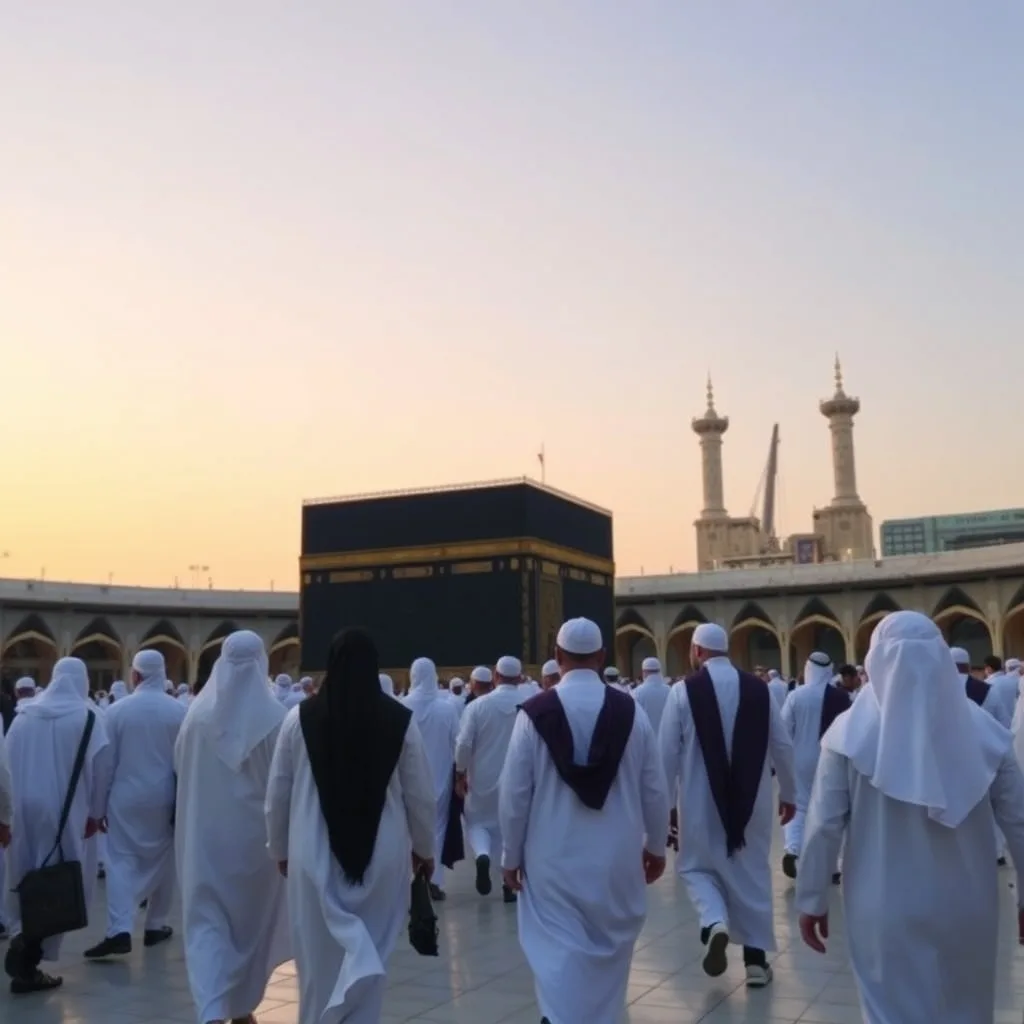
The Meaning Behind the kaaba and Why It Matters for Your Experience
Health and Safety Advice Every hajj women Traveler Should Know
How to Choose the Right hajj package for a Comfortable Journey