
Table of Contents
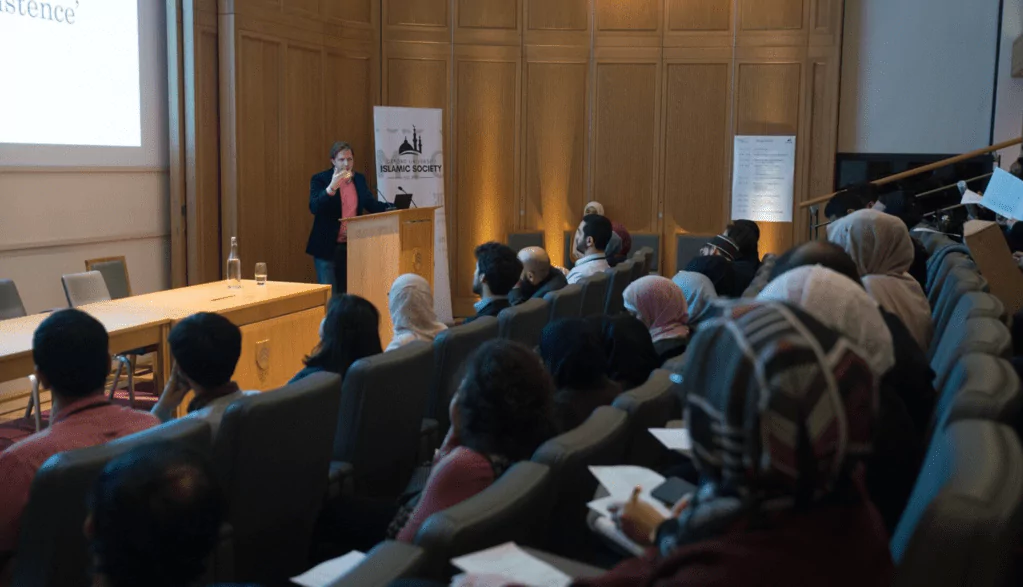
Islamic Events In the vast landscape of Islamic culture, Islamic Events stand as pillars of unity, spirituality, and community cohesion. These occasions serve as moments of reflection, celebration, and collective worship, bringing Muslims together from diverse backgrounds and traditions. Let’s delve into the profound significance of Islamic Events, exploring their rituals, meanings, and the sense of belonging they instill within the ummah.
The Tapestry of Islamic Events
Muslim holiday list encompass a diverse array of occasions, each imbued with its own unique significance and rituals. From religious holidays to commemorations of historical events, these gatherings play a vital role in the lives of Muslims worldwide, fostering a sense of belonging and reinforcing the bonds of faith and community.
Islamic Events and the Lunar Calendar
The Islamic calendar, based on lunar cycles, provides the framework for Islamic Events throughout the year. Unlike the Gregorian calendar, which follows a solar system, the Islamic calendar comprises twelve lunar months, each beginning with the sighting of the new moon. This lunar reckoning not only marks the passage of time but also underscores the spiritual dimension of Islamic Events, which are intricately linked to the phases of the moon.
The Role of Islamic Events in Community Cohesion
Islamic Events serve as focal points for community engagement, fostering a sense of unity and solidarity among Muslims. Whether it’s congregational prayers, communal meals, or charitable activities, these gatherings provide opportunities for believers to come together, strengthen bonds, and reaffirm their shared faith. In a world often marked by division and discord, Islamic Events offer a sanctuary of harmony and mutual support.
Spiritual Significance of Islamic Events
At the heart of Islamic Events lies a deep spiritual significance, rooted in the teachings of Islam and the example of Prophet Muhammad. These occasions provide opportunities for believers to deepen their connection with Allah, seek forgiveness, and renew their commitment to living virtuous lives. Through prayer, reflection, and acts of devotion, Muslims aspire to draw closer to the divine during Islamic Events.
Exploring Key Islamic Events
Eid al-Fitr: Celebrating the End of Ramadan
Eid al-Fitr, often referred to as the “Festival of Breaking the Fast,” marks the end of the holy month of Ramadan. It is a joyous occasion characterized by communal prayers, festive meals, and acts of charity. After a month of fasting and spiritual introspection, Muslims come together to celebrate the blessings of Ramadan and express gratitude for Allah’s mercy and guidance.
Eid al-Adha: Honoring the Sacrifice of Prophet Ibrahim
Eid al-Adha, also known as the “Festival of Sacrifice,” commemorates the willingness of Prophet Ibrahim to sacrifice his son Isma’il as an act of obedience to Allah. This solemn occasion is marked by prayers, the sacrifice of animals, and the distribution of meat to those in need. Eid al-Adha serves as a reminder of the importance of faith, sacrifice, and submission to the will of Allah.
The Night of Power (Laylat al-Qadr): A Night of Spiritual Eminence
Laylat al-Qadr, or the Night of Power, holds special significance in Islam as the night when the Quran was first revealed to Prophet Muhammad. It is believed to occur during the last ten nights of Ramadan, with particular emphasis on the odd-numbered nights. Muslims observe Laylat al-Qadr with intense prayer, supplication, and acts of worship, seeking Allah’s mercy and forgiveness.
Mawlid al-Nabi: Commemorating the Birth of Prophet Muhammad
Mawlid al-Nabi celebrates the birth of Prophet Muhammad, the final messenger of Allah. While the observance of Mawlid varies among different Muslim communities, it typically involves recitation of poetry, lectures on the life and teachings of the Prophet, and charitable activities. Mawlid al-Nabi serves as an opportunity to express love, reverence, and gratitude for the beloved Prophet and his timeless message of peace and compassion.
Islamic Events
In the kaleidoscope of Britannica on Ashura, Muslims find moments of spiritual renewal, communal bonding, and divine grace. From the joyous festivities of Eid al-Fitr to the solemn observance of Laylat al-Qadr, these occasions serve as reminders of the beauty and depth of Islamic tradition. As believers gather in unity to commemorate Islamic, let us embrace the values of compassion, empathy, and devotion that lie at their core. Through prayer, reflection, and acts of charity, may Islamic continue to inspire and uplift the hearts of believers around the world.
Islamic Events and the Lunar Calendar
The Hijri calendar follows the moon, so major gatherings move earlier by roughly eleven days each year. That shift affects school terms, travel prices and even the season in which fasting falls. Communities confirm dates by local sighting, which is why two neighboring countries may begin on different days. For planners, the lesson is simple: confirm dates close to the event and keep bookings flexible rather than relying on a printed calendar alone.
Attending Events Respectfully
Visitors should dress modestly, remove shoes where required and keep voices low during prayer. Ask before photographing people, avoid walking in front of worshippers and follow instructions from organizers. During mourning commemorations, silence and distance are often more respectful than questions. A brief conversation with a local host prevents most misunderstandings.
Keep a small calendar note for the main dates, but verify them locally each year. Workplaces and schools often adjust schedules, and transport fills quickly before major gatherings, so booking early prevents unnecessary stress.
Check local announcements a few days before travelling, because a one-day difference can affect transport and hotel bookings.
Frequently Asked Questions
What are the main gatherings in the Muslim year?
Key occasions include Ramadan, Eid al-Fitr, Eid al-Adha, Ashura, Mawlid and the new year. Local communities also mark weddings, births and other milestones with their own customs.
How does the lunar calendar affect them?
The Hijri calendar follows the moon, so dates shift earlier each Gregorian year. Moon sighting can vary by country, which is why families confirm local announcements.
How should visitors behave at these occasions?
Dress modestly, keep voices low during prayer and ask before photographing people. Avoid walking in front of worshippers, and follow instructions from organizers or mosque staff.
Driven by my passion as a Muslim who loves religious destinations, I document personal spiritual journeys to learn what travelers truly seek: devotion, comfort, and lasting memories. This vision shapes end-to-end pilgrim support. I have documented 2,312 travel guides here since 2022.
More Stories
Islamic Heritage Mystery: What Scholars Still Debate
Islamic Heritage Sites: A Guide to the World’s Greatest
Islamic Heritage Around the World: A Complete Guide